Uninsured Driver Accidents in Texas: How to Get Compensated Under the Law
Uninsured driver accidents in Texas can leave you with heavy bills. Here's how UM/UIM coverage, PIP, and lawsuits help you recover medical costs and lost pay.
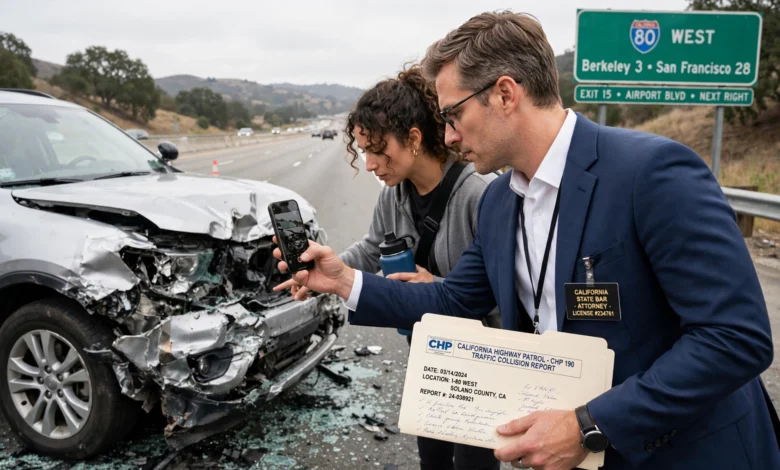
Uninsured driver accidents in Texas happen far more often than most people expect. You follow the rules and keep your policy current, and then someone runs a red light and hits you. When you ask for their insurance information, they either don’t have any or hand you a card for a policy that lapsed months ago. It’s a frustrating spot to be in, especially when you’re hurt, your car is in the shop, and the bills are already showing up.
The good news is that Texas law and your own insurance policy give you several ways to recover money, even when the at-fault driver has no coverage. The bad news is that most people don’t know what those options are until they need them, and some of the most useful coverage has to be in place before the crash happens.
This guide covers what you need to know. You’ll learn how uninsured motorist coverage in Texas works, what personal injury protection pays for, when it makes sense to sue the other driver directly, and how hit-and-run crashes are handled. We’ll also go over the deadlines you can’t afford to miss, how fault is split under Texas law, and the mistakes that tend to shrink or kill a claim.
Whether you were just in a crash or you’re reviewing your policy to be ready for one, this article will help you understand your rights and take the right next steps.
This article is general information, not legal advice. For guidance on your specific situation, talk with a licensed Texas attorney.
What Counts as Uninsured Driver Accidents in Texas?
When people talk about uninsured driver accidents in Texas, they usually mean a crash where the at-fault driver has no liability insurance at all. Legally and practically, the category is a bit wider than that. Your claim may fall into the “uninsured” bucket if:
- The other driver had no insurance. This is the most common situation. They let the policy lapse, never bought one, or were driving someone else’s car without coverage.
- The driver fled the scene. In a hit and run accident in Texas, the at-fault driver is unknown, so they’re treated as uninsured for claim purposes (with an important condition covered later).
- The driver’s insurer denied coverage. Sometimes a policy exists but the insurer refuses to pay, for example because the driver wasn’t listed or the policy excluded them.
- The driver’s insurance company is insolvent. If the other driver’s insurer goes broke, that driver may be treated as uninsured.
There’s also a close cousin: the underinsured motorist. That’s a driver who has insurance, but not enough to cover your losses. If your medical bills reach $80,000 and their policy pays only $30,000, you’ve got a $50,000 gap. Texas handles both situations under the same type of coverage, usually called UM/UIM.
Texas Minimum Insurance Requirements and Why They Fall Short
Texas requires every driver to carry liability insurance or show other proof of financial responsibility. The Texas minimum insurance requirements are often called “30/60/25” coverage:
- $30,000 for injuries per person
- $60,000 for injuries per accident
- $25,000 for property damage per accident
Those numbers look reasonable until you compare them with real costs. A night in the hospital, an MRI, a few weeks of physical therapy, and some missed work can pass $30,000 quickly. A newer truck can cost more than $25,000 to replace. So even when the other driver follows the law and carries the minimum, you may still end up underinsured.


Driving without insurance in Texas can lead to fines, license suspension, and impoundment of the vehicle. Those penalties don’t put money in your pocket, though. A driver who can’t afford insurance usually can’t afford to pay a judgment either, which is why your own coverage matters so much.
7 Ways to Get Compensated After Uninsured Driver Accidents in Texas
Here are the main paths to recovery. Most people end up using two or three of them together.
1. File an Uninsured Motorist (UM) Claim
Uninsured motorist coverage in Texas is the most important protection you can have for this situation. It lets you file a claim with your own insurance company as if they were the at-fault driver’s insurer.
Texas law requires insurers to include UM/UIM coverage in every auto policy unless you reject it in writing. That rule comes from Chapter 1952 of the Texas Insurance Code, which you can read on the Texas Legislature’s official statutes website. The written rejection requirement matters. If you don’t remember signing a rejection form, you may still have this coverage, and you should ask your insurer for proof of any rejection they claim you signed.
UM coverage can pay for:
- Medical bills, past and future
- Lost wages and reduced earning capacity
- Pain and suffering
- Mental anguish
- Physical impairment and disfigurement
UM coverage often includes a property damage piece too. In Texas, uninsured motorist property damage coverage typically comes with a $250 deductible, which is usually lower than a collision deductible.
2. Use Underinsured Motorist (UIM) Coverage for the Gap
If the other driver carried insurance but not enough, you’d first collect from their policy and then turn to your own underinsured motorist coverage for the remaining amount, up to your limits.
One caution here: many Texas policies require you to get your insurer’s consent before settling with the at-fault driver’s insurance company. If you sign a release with the other driver’s carrier without checking with your own insurer first, you could put your UIM claim at risk. Always tell your insurer before you accept a settlement.
3. Tap Into Personal Injury Protection (PIP)
Personal injury protection (PIP) is another coverage Texas insurers must offer, and it’s included unless you reject it in writing. The minimum is $2,500 per person, though you can buy more.
PIP is useful because it pays regardless of who caused the crash. It covers:
- Medical and funeral expenses
- A large share of lost income
- Costs for services you can’t perform while injured, like childcare or housework (for someone who doesn’t earn income)
PIP usually pays faster than a UM claim since there’s no fault fight. It covers you, relatives in your household, and passengers in your car.
4. Use Medical Payments Coverage (MedPay)
Some Texas drivers carry MedPay instead of or in addition to PIP. It works in a similar way, paying medical and funeral costs no matter who was at fault. It doesn’t cover lost wages, though. If you have both, talk with your adjuster about how they coordinate.
5. Claim Under Your Collision Coverage
If you have collision coverage, it will pay to repair or replace your car after you pay your deductible. This is often the quickest way to get your vehicle fixed. If you also have UM property damage coverage, compare the two deductibles and ask your insurer which applies. Sometimes one claim can be coordinated with the other so you don’t pay twice.
6. Sue the Uninsured Driver Directly
You have the right to file a personal injury lawsuit against the at-fault driver. You might win a judgment, but collecting it is a different story. Many uninsured drivers have few assets, and Texas has strong protections for homesteads and wages, which makes collection hard.
A lawsuit still makes sense in some cases:
- The driver owns valuable property or runs a business
- You don’t have UM coverage and have no other option
- Your losses are far beyond your policy limits
It’s worth having an attorney check whether the driver has assets before you spend money on a lawsuit.
7. Look for Other Liable Parties
Sometimes the uninsured driver isn’t the only one responsible. Other parties who might share the blame include:
- The vehicle owner, if they knowingly lent their car to an unsafe or unlicensed driver (called negligent entrustment)
- An employer, if the driver was working at the time of the crash
- A bar or restaurant, if it served alcohol to someone who was obviously drunk, under the Texas Dram Shop Act
- A government entity, if a dangerous road condition played a part, though claims against government bodies have strict notice rules and damage caps
- A vehicle or parts manufacturer, if a defect caused or worsened the crash
Finding a second, insured defendant can completely change the value of your case.
What to Do Right After an Accident With an Uninsured Driver
What you do in the first hours and days after the crash shapes your claim. Here’s a practical checklist:
- Call 911. Get medical help if anyone is hurt and ask for police to respond. A police report carries weight with insurers.
- Get the other driver’s details. Collect their name, license number, plate number, phone number, and any insurance information they offer, even if it looks outdated.
- Take photos and video. Capture both vehicles, the road, skid marks, traffic signals, and your injuries.
- Talk to witnesses. Get names and phone numbers. Independent witnesses matter a lot when the other driver later changes their story.
- See a doctor quickly. Some injuries, like whiplash or concussions, don’t show up right away. Gaps in treatment give insurers a reason to argue you weren’t really hurt.
- Notify your insurer promptly. Most policies require prompt notice. Stick to the facts and avoid guessing about fault or injuries.
- Get the crash report. Texas crash reports can be ordered through the TxDOT Crash Report Online Purchase System.
- Keep a file. Save medical bills, pay stubs, repair estimates, receipts, and notes about how the injuries affect your daily life.
How a UM/UIM Claim Works in Texas
Many people are surprised to learn that when they file a UM/UIM claim, their own insurance company acts a lot like the other driver’s insurer would. The company that sold you the policy is now trying to pay as little as it reasonably can.
Your Insurer Steps Into the Other Driver’s Shoes
Under Texas law, your insurer can raise the same defenses the uninsured driver could raise. They might argue that you were partly at fault, that your injuries weren’t caused by the crash, or that your treatment was excessive. Don’t assume a friendly relationship with your agent will carry over to the claims department.
Liability and Damages Must Be Established
The Texas Supreme Court held in Brainard v. Trinity Universal Insurance Co. (2006) that an insurer’s duty to pay UIM benefits generally doesn’t arise until the other driver’s liability and the amount of damages are established. In practice, this means your insurer isn’t obligated to pay just because you file a claim. Many cases settle through negotiation, but some require a lawsuit against your own insurer to fix the amount owed.
The Typical Claim Process
Most claims move through these stages:
- Notice and claim filing with your insurer
- Investigation, where the adjuster reviews the police report, photos, and statements
- Medical documentation, where you submit records and bills
- Demand, where you or your lawyer sends a written request for a specific amount
- Negotiation back and forth on the value
- Settlement or litigation if the two sides can’t agree
Your insurer may ask for a recorded statement or broad medical authorizations. Be careful with both. A lawyer can help you provide what’s needed without handing over records that have nothing to do with the crash.
Hit and Run Accident Texas Rules You Should Know
A hit and run accident in Texas is usually handled under your UM coverage, since the driver can’t be identified. There’s an important catch, though. Texas generally requires actual physical contact between the unknown vehicle and your car (or you) for UM coverage to apply to a hit-and-run.
That means if a driver swerves into your lane and forces you off the road without ever touching your car, your UM claim may be denied. In those “miss and run” situations, PIP, MedPay, and collision coverage may still help.
If you’re in a hit-and-run:
- Report it to police right away
- Write down anything you remember about the vehicle, even a partial plate
- Look for nearby cameras at businesses, homes, or intersections
- Check for paint transfer or damage on your vehicle that proves contact
Leaving the scene of a crash involving injury is a crime in Texas, so police do investigate these cases. If they later identify the driver, and that driver has insurance, your claim may shift to their carrier.
Texas Statute of Limitations: Deadlines You Can’t Miss
Deadlines are where many valid claims fall apart. The statute of limitations for most personal injury lawsuits in Texas is two years from the date of the crash, under Section 16.003 of the Texas Civil Practice and Remedies Code. If you plan to sue the uninsured driver or another at-fault party, you must file within that window or you’ll likely lose the right to sue forever.
UM/UIM claims against your own insurer are based on your insurance contract, so a different limitations period can apply, and the question of when that clock starts has been debated in Texas courts. The safest move is not to rely on a longer deadline. Also keep in mind that your policy may have its own notice requirements, and late notice can give your insurer an argument to deny coverage.
Claims involving government entities have even shorter notice deadlines, sometimes as short as six months or less under local rules. If a city vehicle or a road defect is involved, act fast.
How Comparative Fault Affects Your Compensation
Texas follows a modified comparative fault rule, sometimes called the “51% bar rule.” Here’s how it works:
- If you’re found 50% or less at fault, you can recover damages, but your award is reduced by your share of fault.
- If you’re found more than 50% at fault, you recover nothing from the other party.
For example, say your damages total $100,000 and a jury finds you 20% at fault for speeding slightly. You’d recover $80,000. If the jury found you 51% at fault, you’d get nothing.
Insurers know this rule well. It’s common for an adjuster to suggest you were partly to blame, since every percentage point lowers what they pay. Good evidence gathered early, like photos, witness statements, and the police report, is your best defense against inflated fault arguments.
Types of Car Accident Compensation Available in Texas
When you pursue car accident compensation after one of the many uninsured driver accidents in Texas, you can seek several types of damages.
Economic Damages
These are the losses with a clear dollar figure:
- Past and future medical expenses
- Lost wages and lost earning capacity
- Vehicle repair or replacement
- Rental car costs
- Out-of-pocket costs like prescriptions, medical equipment, and travel to appointments
Note that Texas limits medical expense recovery to amounts actually paid or incurred, so the figure is often what your health insurer paid rather than the full billed amount.
Non-Economic Damages
These cover losses that are real but harder to price:
- Physical pain and suffering
- Mental anguish
- Physical impairment
- Disfigurement
- Loss of enjoyment of life
Exemplary Damages
In rare cases involving gross negligence, such as a drunk driver, a court may award exemplary (punitive) damages against the at-fault driver. Keep in mind that UM policies usually don’t cover punitive damages, so these would have to come from the driver personally.
Common Mistakes That Hurt Uninsured Motorist Claims
Even strong cases get weakened by avoidable errors. Watch out for these:
- Skipping medical care or waiting weeks to see a doctor
- Posting about the crash on social media, where photos or comments can be taken out of context
- Giving a recorded statement too early, before you understand your injuries
- Settling with the other driver’s insurer without your insurer’s consent, which can void UIM coverage
- Accepting the first offer, which is often well below what the claim is worth
- Assuming you don’t have UM coverage without reviewing your policy and asking for any signed rejection
- Missing deadlines for notice or filing suit
When to Hire an Uninsured Motorist Lawyer in Texas
Not every claim needs a lawyer. A minor fender bender with no injuries can usually be handled through your collision or UM property damage coverage on your own.
You should seriously consider an uninsured motorist lawyer if:
- You were seriously injured or need ongoing treatment
- Your insurer is disputing fault or the value of your injuries
- You’re dealing with a hit-and-run with unclear contact
- Multiple parties may share the blame
- Your claim is close to or above your policy limits
- The insurer has denied your claim or is delaying without explanation
Most Texas personal injury lawyers work on a contingency fee, meaning they’re paid a percentage of what they recover and nothing if you lose. That makes legal help easier to afford when you need it most. A lawyer can also spot extra coverage you might not know about, such as a household family member’s policy or an umbrella policy.
For general consumer help with auto insurance questions or complaints about how an insurer is treating you, the Texas Department of Insurance is a good starting point.
How to Protect Yourself Before the Next Crash
The best time to prepare for an uninsured driver is before you meet one. A few simple steps can make a big difference:
- Keep UM/UIM coverage and think about limits higher than the state minimum
- Keep PIP rather than rejecting it to save a few dollars
- Review your policy each year to confirm what you have
- Consider an umbrella policy if you have significant assets or income
- Keep a dash cam in your car, which can be decisive in fault disputes and hit-and-run cases
UM/UIM coverage is usually one of the more affordable parts of an auto policy compared with the protection it gives.
Frequently Asked Questions
Will my rates go up if I file a UM claim?
Texas law generally limits insurers from raising your rates based on a claim where you weren’t at fault. If you believe your premium increased unfairly after a not-at-fault UM claim, you can file a complaint with the Texas Department of Insurance.
Can I file a UM claim if I was a passenger?
Yes. UM coverage typically follows the person as well as the car. If you were a passenger, you may be able to claim under the driver’s policy, your own policy, or a household relative’s policy, subject to policy terms and stacking limits.
What if I rejected UM coverage?
Then you’ll need to rely on PIP (if you kept it), MedPay, collision, health insurance, and any claim against the at-fault driver or other parties. Double check that the rejection was in writing, since an unsigned or missing rejection may mean the coverage still applies.
Conclusion
Uninsured driver accidents in Texas can leave you hurt, stressed, and facing bills you didn’t cause, but you’re not out of options. Your own uninsured motorist coverage, underinsured coverage, PIP, MedPay, and collision coverage can all help, and a lawsuit against the at-fault driver or other responsible parties may add more. Success depends on acting quickly: get medical care, document the scene, notify your insurer, respect the two-year statute of limitations, and be careful about statements and settlements that could hurt your claim.
Remember that your own insurer becomes your opponent in a UM/UIM case, and that Texas’s 51% comparative fault rule can reduce or eliminate your recovery. If your injuries are serious or your insurer is pushing back, a qualified Texas attorney can help you pursue the full car accident compensation you’re owed.