Financial Elder Abuse in Illinois: Recognizing It and Taking Legal Action
Financial elder abuse in Illinois is rising fast. Learn the warning signs, your legal rights, and how to take action to protect your loved one today.

Financial elder abuse in Illinois is one of the most common and least talked-about crimes affecting older adults today. It does not look like most crimes. There is no broken window, no visible bruise, and often no police report filed for months — sometimes years. What there is, instead, is a drained bank account, a forged signature on a deed, or a trusted family member quietly redirecting an elderly person’s pension into their own pocket.
The numbers are sobering. The Illinois Department on Aging estimates that more than 76,000 people over the age of 60 in Illinois are victims of elder abuse — yet only around 10,000 cases get reported to the Elder Abuse and Neglect Program each year. That gap represents tens of thousands of vulnerable adults suffering in silence, often because they do not know help is available, or because the person stealing from them is also the one they rely on most.
This article is a practical guide for families, caregivers, and anyone who suspects that an older adult in their life is being financially exploited. We cover what financial elder abuse actually looks like in the real world, which Illinois laws protect victims, how to report it, and what your legal options are if you want to hold a perpetrator accountable. The goal is not to overwhelm you with legal jargon. It is to give you clear, actionable information so you can move fast and protect someone who may not be able to protect themselves.
What Is Financial Elder Abuse in Illinois?
Financial elder abuse, sometimes called elder financial exploitation, refers to the illegal or unauthorized use of an older person’s money, property, or assets. Under Illinois law, specifically the Elder Abuse and Neglect Act (320 ILCS 20/), this is defined as exploitation of an eligible adult’s financial resources without their informed consent — or when that consent was obtained through fraud, coercion, or undue influence.
It covers a wide range of behavior, including:
- Stealing cash, checks, or valuables directly
- Forging signatures on checks, wills, or property documents
- Pressuring or manipulating an elder into signing over property
- Misusing a power of attorney for personal financial gain
- Opening credit cards or loans in the elder’s name without their knowledge
- Overcharging for services or providing no services at all
- Hiding or withholding money, assets, or property from the elder
What makes this form of abuse particularly insidious is that the perpetrator is almost always someone the victim trusts. Studies consistently show that family members — particularly adult children, grandchildren, or spouses — are among the most common offenders. Paid caregivers, financial advisors, and neighbors are also frequent perpetrators.
Who Is Most Vulnerable?
According to research published by the Illinois State Bar Association, the typical victim of financial elder exploitation is a white woman, approximately 79 years old, who may be living with dementia, a physical impairment, or social isolation. But vulnerability cuts across demographics. Any older adult who depends on others for daily care, who lives alone, or who suffers from cognitive decline is at elevated risk.
Cognitive impairment is a particularly significant factor. People with Alzheimer’s disease or other forms of dementia may not realize a crime is even occurring. Even when they do notice something is wrong, fear — of losing their home, of being placed in a nursing facility, or of losing the relationship with the abuser — often keeps them from speaking up.
Warning Signs of Financial Elder Abuse
Recognizing elder financial exploitation early can make the difference between recovering stolen assets and watching them disappear permanently. Here are the most critical warning signs to watch for:


Changes in Financial Behavior
- Sudden, unexplained withdrawals from bank accounts
- Unpaid bills despite adequate income or savings
- Missing check statements or financial documents
- Unusual credit card charges or new accounts opened without explanation
- A newly added name on bank accounts or property titles
- Changes to wills, trusts, or beneficiary designations — especially recent ones
Changes in the Elder’s Behavior or Circumstances
- Confusion or anxiety about money that was not present before
- A caregiver or companion who insists on attending all financial meetings
- The elder appears fearful, withdrawn, or reluctant to talk about finances
- Isolation from family and friends, often engineered by the abuser
- The elder lacks food, medication, or basic necessities despite having the means to pay for them
Red Flags Involving Another Person
- A caregiver or family member who is unusually interested in the elder’s financial affairs
- Someone who refuses to allow family members to visit or speak privately with the elder
- A new romantic partner who appears suddenly and gains quick financial access
- A relative who is reluctant to spend the elder’s money on their medical care but freely spends it on themselves
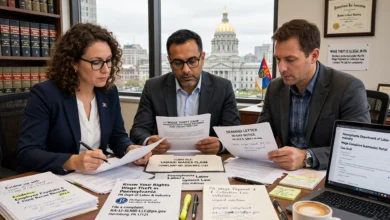
Warning signs also include a companion who encourages large bank withdrawals, missing check statements, and inappropriate legal documents that have appeared without clear explanation.
If you notice several of these signs at once, take them seriously. One indicator alone might have an innocent explanation. Multiple warning signs together almost never do.
Illinois Laws That Protect Victims of Elder Financial Exploitation
Illinois has a fairly robust legal framework for addressing financial elder abuse. Understanding these laws helps you know what your rights are and what options you have.
The Illinois Elder Abuse and Neglect Act (320 ILCS 20/)
The Illinois Elder Abuse and Neglect Act became law in 1988 and directed the state to address the problem of domestic elder abuse. As a result, an Elder Abuse and Neglect Program was established under the direction of the Illinois Department on Aging to respond to reports of alleged elder abuse, neglect, and exploitation. Services are available to those age 60 and older.
This Act is the backbone of Illinois elder abuse protections. It defines abuse to include financial exploitation, establishes a mandatory reporting system for certain professionals, and provides immunity to anyone who reports suspected abuse in good faith.
The Adult Protective Services Act (320 ILCS 20/)
The Adult Protective Services Act extends protections to adults with disabilities between ages 18 and 59 who are unable to report abuse themselves, in addition to covering seniors. The Act provides that people who in good faith report suspected abuse, neglect, financial exploitation, or cooperate with an investigation are immune from criminal or civil liability or professional disciplinary action. It further provides that the identity of the reporter shall not be disclosed except with the written permission of the reporter or by court order. Anonymous reports are accepted.
Criminal Penalties Under Illinois Law
Financial elder abuse is not just a civil matter in Illinois — it is a crime. Perpetrators can face criminal prosecution under Illinois theft statutes, with penalties that escalate based on the dollar amount involved. If the amount taken is greater than $100,000, charges can be levied against the alleged offender within seven years of the original crime.
Illinois courts can also impose restitution orders, requiring the offender to repay what was stolen.
Civil Remedies
Beyond criminal prosecution, victims also have the right to pursue civil claims. Elder abuse constitutes both a criminal offense subject to prosecution and a civil cause of action in Illinois.
In civil court, you can sue for compensatory damages to recover stolen assets, and in some cases, courts will award punitive damages when the conduct was especially egregious. Illinois law allows punitive damages in cases involving willful misconduct or conscious disregard for resident safety. The Illinois Nursing Home Care Act’s fee-shifting provision means victims can also recover attorney’s fees and costs when they prevail in court.
Statute of Limitations
Timing matters. Illinois law establishes a two-year statute of limitations for personal injury claims arising from elder abuse, measured from the date of injury or when family members reasonably should have discovered the abuse occurred.
Do not wait. The sooner you act, the better your chances of recovering assets and building a strong case.
How to Report Financial Elder Abuse in Illinois
If you believe someone is being financially exploited, reporting it is the most important first step. Here is how to do it.
Step 1: Call the Adult Protective Services Hotline
To report suspected abuse, neglect, or financial exploitation of an adult age 60 or older or a person with disabilities age 18–59, call the statewide 24-hour Adult Protective Services Hotline: 1-866-800-1409, or 1-888-206-1327 (TTY).
This line is available around the clock. You do not need proof — suspicion based on warning signs is enough to make a report.
Step 2: Contact Law Enforcement If There Is Immediate Danger
If the elder is in immediate danger or a crime is actively occurring, call 911. You can also report financial crimes directly to your local police department or the State’s Attorney’s office.
Step 3: Report to the Illinois Department on Aging
For community-dwelling seniors, reports go through the Illinois Department on Aging. The agency must make face-to-face contact with the senior once a case of abuse or neglect is reported. This visit will be to the senior’s place of living and may include interviews with others who know about the abuse. No one can interfere with the meeting between the senior and the protective services caseworker.
Step 4: Report Nursing Home Financial Abuse Separately
If your loved one lives in a nursing home or other long-term care facility, the reporting channel is different. For residents who live in nursing facilities, call the Illinois Department of Public Health’s Nursing Home Complaint Hotline: 1-800-252-4343.
What Happens After You Report?
After a report is made, a trained adult protective services caseworker will respond within 24 hours for life-threatening situations, 72 hours for neglect and non-threatening physical abuse, and up to seven days for emotional abuse or financial exploitation.
The caseworker will contact the victim, assess the situation, and determine what services are appropriate. They cannot force services on a competent adult who refuses them, but they can connect the elder with legal aid, emergency funds, and protective services.
7 Powerful Legal Actions You Can Take
Once you have reported the abuse, there are several legal paths available to you. An experienced Illinois elder abuse attorney can help you determine which combination makes the most sense in your specific situation.
1. File a Civil Lawsuit for Financial Recovery
The most direct legal remedy is a civil lawsuit seeking restitution — the return of stolen assets. This can include cash, real estate, investment accounts, and personal property. An attorney experienced in elder financial exploitation cases will investigate financial records, identify what was taken, and build a case for recovery.
2. Seek an Emergency Protective Order
If the abuse is ongoing, your attorney can petition an Illinois court for an emergency protective order to immediately stop the abuser from accessing the elder’s finances, remove the abuser from the elder’s home if necessary, and freeze accounts or assets before more money disappears.
3. Challenge Fraudulent Legal Documents
Many financial exploitation cases involve manipulated legal documents — powers of attorney that were signed under duress, wills changed at the last minute, or property transfers made while the elder lacked mental capacity. An attorney can challenge these documents in court and seek to have them invalidated.
4. Report to the Illinois Attorney General
Illinois has a Consumer Fraud Bureau that handles elder financial fraud cases. The Attorney General’s office can investigate and potentially bring enforcement actions against businesses or individuals who have exploited elderly consumers. You can file a complaint at the Illinois Attorney General’s Consumer Fraud Hotline.
5. Contact Adult Guardianship Services
If the elder is no longer capable of managing their own financial affairs, the court can appoint a guardian or conservator to take over financial decision-making. This removes the opportunity for further exploitation and ensures the elder’s assets are managed in their best interest.
6. Work with Forensic Accountants
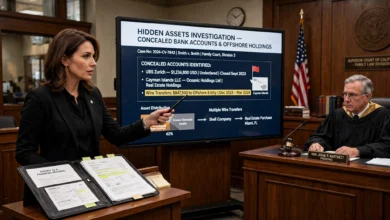
Experienced elder abuse attorneys often work with forensic accountants to analyze financial records and identify not only losses but unrealized gains caused by theft and embezzlement. A forensic accountant can trace money movements, identify patterns of exploitation, and provide expert testimony in both criminal and civil proceedings.
7. Pursue Criminal Charges Through the State’s Attorney
If the conduct rises to the level of a crime — and financial exploitation almost always does — you can push for criminal charges through your county’s State’s Attorney office. A criminal conviction can result in prison time, fines, and a restitution order requiring the offender to repay stolen funds. Even if a parallel civil case is underway, criminal proceedings can strengthen your position.
The Role of Powers of Attorney in Elder Financial Abuse
Powers of attorney are among the most commonly abused legal tools in elder exploitation cases. A power of attorney (POA) is a document that gives one person the legal authority to make financial or health decisions on behalf of another. When used honestly, a POA is a practical and important planning tool. When misused, it becomes a license to steal.
Common power of attorney abuse scenarios include:
- An adult child with POA draining bank accounts or transferring property into their own name
- A caregiver persuading a cognitively impaired elder to sign a broad POA they do not understand
- A new romantic partner obtaining a POA shortly before the elder’s condition declines
Illinois law requires POAs to be executed voluntarily and with full mental capacity. If there is evidence the document was signed under duress, by someone who lacked capacity, or through deception, it can be challenged in court. An attorney can review the circumstances under which the POA was created and, if appropriate, file to have it revoked.
Family Members as Perpetrators: What You Need to Know
One of the hardest realities of elder financial exploitation is that the perpetrator is often someone the victim loves — a child, a grandchild, a sibling, or a spouse. This creates enormous emotional complexity for families trying to decide how to respond.
It is worth naming this directly: the fact that someone is a family member does not make the exploitation less harmful or less illegal. The financial and emotional damage to the elder is real regardless of who caused it.
A few things to keep in mind:
- You can report a family member anonymously. Illinois law protects the identity of reporters, and anonymous reports are accepted.
- The elder may resist intervention. Victims often protect their abusers, especially when they are also their primary caregivers. This is not a reason to do nothing — it is a reason to involve professionals who are experienced in navigating this dynamic.
- Early action matters more when family is involved. Once money is spent or assets are transferred, recovery becomes much harder. The faster you act, the better the odds of getting those assets back.
Preventing Financial Elder Abuse: Practical Steps
Prevention is always better than remediation. If you have an aging parent or relative, these steps can significantly reduce their vulnerability to financial exploitation:
- Establish oversight of finances early. Regular review of bank statements, tax returns, and investment accounts makes it much harder for exploitation to go undetected.
- Be cautious about broad powers of attorney. A limited or “springing” POA — one that only activates under specific circumstances — is safer than a broad, general one.
- Choose a corporate trustee or co-trustee. For larger estates, a bank or trust company acting as co-trustee adds a layer of professional oversight.
- Stay socially connected. Isolation is the abuser’s best friend. Maintaining regular contact with an elderly loved one makes it much harder for exploitation to take root.
- Consult an elder law attorney for planning. Attorneys who specialize in elder law can establish wills and powers of attorney in a way that enables them to identify irregularities in these instruments in financial abuse investigations.
For more information on elder financial protections and resources available at the federal level, visit the National Center on Elder Abuse, which provides research, resources, and guidance for families and professionals across the country.
Choosing the Right Illinois Elder Abuse Attorney
Not every personal injury attorney has experience with financial elder abuse cases. These cases require a specific combination of skills: knowledge of Illinois elder law, experience with financial forensics, and the ability to navigate guardianship and estate law issues.
When evaluating an attorney, ask:
- How many elder financial exploitation cases have you handled in Illinois?
- Do you work with forensic accountants or financial investigators?
- Can you handle both the civil and the guardianship aspects of the case?
- What is your fee structure — contingency, hourly, or a combination?
- Have you handled cases involving power of attorney abuse specifically?
Many Illinois elder abuse attorneys offer free initial consultations. Given the two-year statute of limitations, it is worth making that call sooner rather than later.
Conclusion
Financial elder abuse in Illinois is a serious, widespread, and deeply underreported problem that strips older adults of the savings they spent a lifetime building. Recognizing the warning signs — from unexplained bank withdrawals and missing financial documents to sudden changes in wills or a caregiver’s unusual interest in an elder’s finances — is the first step toward stopping it. Illinois law provides strong protections for victims through the Elder Abuse and Neglect Act, the Adult Protective Services Act, and both criminal and civil legal remedies, including restitution, punitive damages, and the ability to challenge fraudulent legal documents.
Reporting suspected abuse to the Adult Protective Services Hotline at 1-866-800-1409 triggers a professional investigation, and working with an experienced Illinois elder abuse attorney opens the door to powerful legal actions including civil lawsuits, emergency protective orders, and criminal prosecution. Whether the abuser is a stranger, a caregiver, or a family member, the law is on the victim’s side — but the clock is running, and acting quickly is essential to protecting your loved one and recovering what was stolen.