Motorcycle Passenger Injuries in Illinois: 7 Powerful Legal Rights Every Injured Rider Should Know
Motorcycle passenger injuries in Illinois explained: who pays, insurance options, the 2-year deadline, and how fault rules affect your injury claim.
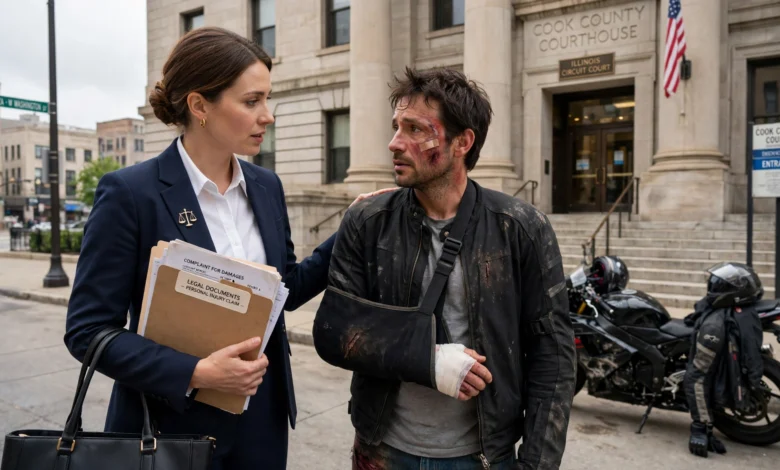
Motorcycle passenger injuries in Illinois tend to be some of the most serious injuries that come out of any traffic crash. A passenger sits higher than the operator, holds on with less grip, and usually has less warning before impact. When something goes wrong, there is no steel frame, no airbag, and no seatbelt between the rider and the pavement.
What many people don’t realize is that the passenger is often in a stronger legal position than anyone else involved. A passenger doesn’t steer, brake, or choose the route. In most cases, that means they carry little or no blame for what happened. Even so, injured passengers still run into confusing questions. Can you file a claim against the friend or spouse who was driving the bike? Whose insurance pays first? What happens if the other driver had no coverage at all? Does not wearing a helmet hurt your case?
This guide walks through the legal rights of motorcycle passengers in Illinois in plain language. You’ll see who can be held liable, which insurance policies may apply, how the state’s modified comparative negligence rule works, what damages you can recover, and why the two-year statute of limitations matters more than most people think. If you or someone close to you was hurt riding on the back of a bike, this is the starting point for understanding what comes next. It’s general information, not legal advice, so talk with a licensed Illinois attorney about your specific situation.
Why Motorcycle Passenger Injuries in Illinois Are Different From Other Crash Claims
A passenger claim looks a lot like any other personal injury case on paper. In practice, it plays out differently because of one simple fact: the passenger had almost no control over the crash.
The Passenger Rarely Shares the Blame
Insurance companies love to argue that an injured person caused part of their own harm. With operators, they point to speed, lane position, or riding experience. With passengers, those arguments mostly fall apart. A passenger isn’t the one checking mirrors or judging a gap in traffic.
That doesn’t mean the passenger is untouchable. An insurer might argue the passenger distracted the operator, leaned the wrong way in a turn, or got on a bike with a driver they knew was drunk. These arguments come up, but they are usually harder to prove than fault against a driver or operator.
Who Can Be Held Liable for a Passenger’s Injuries
Under Illinois negligence law, an injured passenger can bring a claim against anyone whose carelessness caused or contributed to the crash. Depending on the facts, that can include:
- The driver of another vehicle. This is the most common situation. Cars and trucks turning left in front of a motorcycle, drifting into its lane, or rear-ending it at a light cause a large share of serious crashes.
- The motorcycle operator. If the person driving the bike was speeding, lane splitting, riding impaired, or simply lost control, the passenger can file a claim against the operator’s insurance. This holds true even when the operator is a friend, partner, or family member.
- Both drivers at once. Fault is often split. A car may cut the bike off while the operator was also going too fast. A passenger can pursue both.
- A manufacturer or parts supplier. Brake failures, defective tires, and faulty passenger pegs or grab rails can support a product liability claim.
- A government entity. Potholes, missing signs, and poorly maintained roads sometimes play a role. Claims against cities, counties, and the state come with special notice rules and shorter timelines, so they need quick attention.
- A bar or restaurant. If an intoxicated driver caused the crash, the Illinois Dram Shop Act may allow a claim against the business that over-served them.
Illinois Rules for Carrying a Passenger
Illinois law sets specific requirements for riding two-up, and a violation can become evidence of negligence. Under 625 ILCS 5/11-1403, the Illinois statute on riding on motorcycles, a passenger may ride only if the motorcycle is designed to carry more than one person. The passenger must sit on a permanent seat built for two, or on a separate seat firmly attached at the rear or side.
Riders must sit astride the seat, facing forward, with one leg on each side. Since January 1, 2022, the operator may not carry a passenger unless that passenger can rest a foot on the footrest while the bike is moving. That change was aimed largely at small children riding on the back.
If an operator broke one of these rules and the passenger got hurt, the violation can help prove the operator was negligent. It usually works against the operator, not the passenger, because the law places the duty on the person carrying the rider.
Common Motorcycle Passenger Injuries in Illinois Crashes
Passengers are often thrown farther than operators because they have only the operator’s waist or a grab rail to hold. They also tend to hit the ground with less control over how they land. The result is a pattern of injuries that are both severe and expensive to treat.
Head and Brain Injuries
Traumatic brain injury (TBI) is the injury doctors worry about most. Illinois does not require adult riders or passengers to wear helmets, so many passengers ride without one. Even a “mild” concussion can cause headaches, memory problems, mood changes, and trouble at work for months. Severe TBI can mean permanent disability.
Spinal Cord and Back Injuries
A hard landing can fracture vertebrae or damage the spinal cord. Outcomes range from herniated discs that need surgery to partial or complete paralysis. These injuries often lead to the largest claims because they affect a person’s ability to work for the rest of their life.
Fractures and Crush Injuries
Legs, hips, pelvis, wrists, and collarbones break often in motorcycle accidents. The passenger’s legs can get pinned between the bike and another vehicle. Complex fractures may need plates, rods, multiple surgeries, and long physical therapy.
Road Rash and Burns
Sliding across asphalt strips away skin. Deep road rash can need skin grafts and leaves scarring. Contact with a hot exhaust pipe during or after the crash causes burns, which is a passenger-specific risk because the pipes often run right under the passenger pegs.
Internal Injuries and Emotional Harm
Blunt force can damage organs and cause internal bleeding that isn’t obvious at the scene. Beyond the physical injuries, many passengers deal with anxiety, sleep problems, and post-traumatic stress after a serious crash. Those effects count too, and they belong in your claim.
The takeaway is simple. Get checked by a doctor even if you feel okay. Adrenaline hides pain, and a gap between the crash and your first medical visit is something insurers use to argue you weren’t really hurt.
7 Legal Rights You Have After Motorcycle Passenger Injuries in Illinois
Here are the core rights every injured passenger should know. Each one shapes how your claim moves forward.
- The right to file a claim against any at-fault party. You are not limited to one defendant. If the other driver and the operator both made mistakes, you can pursue both. Illinois also allows claims against product makers, negligent property owners, and in some cases government bodies.
- The right to sue the operator, even if you know them. Illinois has no guest statute that blocks passengers from suing their driver. Many people hesitate because the operator is a spouse, partner, or friend. It helps to know that the claim is really against the operator’s insurance policy, not their savings. That’s exactly what the coverage is for.
- The right to use your own uninsured motorist coverage. If the at-fault driver had no insurance, or fled the scene, you may be able to claim under uninsured motorist coverage. That can come from the motorcycle’s policy, or from your own auto policy if you own a car.
- The right to recover full compensation for your losses. That includes medical bills, lost income, reduced future earning ability, pain and suffering, disfigurement, and loss of a normal life. Illinois does not cap compensatory damages in ordinary injury cases.
- The right to have fault fairly assigned. Under Illinois comparative fault law, you can still recover as long as you were not more than 50% responsible. Any share of blame placed on you only reduces your award by that percentage.
- The right to refuse a quick settlement. You don’t have to accept the first offer or give a recorded statement to the other side’s insurer. Early offers often come before anyone knows the full cost of your recovery.
- The right to legal representation. Most Illinois motorcycle accident lawyers handle injury cases on a contingency fee, meaning no fee unless they recover money for you. A lawyer can deal with insurers, gather evidence, and make sure every available policy is found.
If a passenger is killed, these rights pass to the family through the Illinois Wrongful Death Act and the Survival Act. Surviving spouses and next of kin can recover for their loss of companionship, financial support, and funeral costs.
Insurance Coverage for Motorcycle Passenger Injuries in Illinois
Illinois is an at-fault state. The person who caused the crash, through their insurer, pays for the harm. Because passengers so often have more than one possible source of coverage, figuring out which policies apply is one of the most important parts of the claim.
Required Minimum Coverage in Illinois
Every vehicle owner in Illinois must carry liability insurance and uninsured motorist coverage. The required minimums are:
| Coverage type | Illinois minimum |
|---|---|
| Bodily injury liability, one person | $25,000 |
| Bodily injury liability, per accident | $50,000 |
| Property damage liability | $20,000 |
| Uninsured motorist bodily injury | $25,000 per person / $50,000 per accident |
Underinsured motorist coverage becomes mandatory when someone buys uninsured motorist limits above the minimum. Those numbers come from the Illinois Vehicle Code and the Illinois Secretary of State’s mandatory insurance rules.
Where the Money Can Come From
A passenger may be able to draw from several policies, often in this order:
- The at-fault driver’s liability policy. If a car driver caused the crash, their bodily injury coverage pays first.
- The motorcycle operator’s liability policy. If the operator was partly or fully at fault, their policy applies too.
- Uninsured or underinsured motorist coverage. If the at-fault driver had no insurance or not enough, UM/UIM on the motorcycle policy, or on your own car policy, may fill the gap.
- Medical payments coverage. Some motorcycle and auto policies include “med pay” that covers medical bills regardless of fault.
- Your health insurance. It can cover treatment while the claim is pending, though it may seek repayment from your settlement later.
Why the Minimums Often Fall Short
A $25,000 policy can disappear after one ambulance ride, an emergency room visit, and a few days in the hospital. Serious motorcycle crash injuries regularly cost far more than that. This is why stacking every available policy matters so much. An experienced attorney will request all policy declarations, check for umbrella coverage, and look at household policies that might extend to you as a resident relative.
How Fault, Helmets, and Deadlines Affect Motorcycle Passenger Injuries in Illinois
Illinois Modified Comparative Negligence
Illinois follows a modified comparative negligence rule found in 735 ILCS 5/2-1116. You can recover damages as long as you were 50% or less at fault. Your award drops by your share of the blame. If a jury finds you more than 50% responsible, you recover nothing.
Here’s how that plays out. Say a passenger’s damages total $200,000, and a jury decides the passenger was 10% at fault for distracting the operator. The passenger would receive $180,000. For most passengers, the fault share is zero or very small, which is why passenger claims tend to hold up well.
Does Not Wearing a Helmet Hurt Your Claim?
Illinois has no universal helmet law, so riding without one is legal. Still, insurers sometimes argue that a passenger’s head injury would have been less severe with a helmet. How far that argument goes depends on the injury, the evidence, and the court. It generally has little to do with injuries to the legs, back, or arms. Don’t assume your case is over because you weren’t wearing a helmet. Let a lawyer look at the facts first.
Illinois does require eye protection, such as glasses, goggles, or a transparent shield, for both the operator and passenger unless the bike has a windshield. A missing pair of goggles rarely matters to an injury claim unless it connects to how the crash happened.
The Two-Year Statute of Limitations
You generally have two years from the date of the crash to file a personal injury lawsuit in Illinois. Wrongful death claims also follow a two-year window, usually counted from the date of death. Miss the deadline and the court will almost certainly dismiss your case, no matter how strong it is.
Some deadlines are much shorter. Claims against a local government entity in Illinois usually must be filed within one year. Claims against the State of Illinois go through the Court of Claims and have their own notice rules. If a pothole, broken signal, or road defect played a part, speak with a lawyer right away.
Compensation Available for Motorcycle Passenger Injuries in Illinois
The goal of a motorcycle passenger injury claim is to cover every loss the crash caused, both now and in the future. Illinois groups these losses into two main types.
Economic Damages
These are losses with a clear dollar figure:
- Emergency care, hospital stays, surgery, and follow-up visits
- Physical therapy, rehabilitation, and medical equipment
- Future medical care, including long-term or lifetime needs
- Lost wages while you recover
- Lost earning capacity if you can’t return to the same work
- Property losses, such as a damaged phone, riding gear, or clothing
Non-Economic Damages
These are harder to measure but often make up the largest part of a serious case:
- Pain and suffering, past and future
- Emotional distress and anxiety
- Disfigurement and scarring
- Loss of a normal life, meaning the hobbies, activities, and routines you can no longer enjoy
- Loss of consortium for a spouse whose relationship has been affected
Punitive damages are rare. They may come into play when a driver’s conduct was willful and wanton, such as extreme drunk driving.
What to Do After Motorcycle Passenger Injuries in Illinois
The steps you take in the first days and weeks can make or break your claim. Here’s a practical checklist:
- Get medical care right away. Your health comes first, and prompt treatment creates a clear record linking your injuries to the crash.
- Call the police. Illinois requires reporting crashes involving injury. The police report is often the first piece of evidence an insurer reads.
- Collect evidence if you can. Photos of the scene, vehicles, road conditions, and your injuries are valuable. Get names and phone numbers of witnesses.
- Keep your gear. Don’t throw away a damaged helmet, jacket, or boots. They can show the force and direction of impact.
- Be careful with insurers. Report the crash, but don’t give a recorded statement to the other driver’s insurer without advice.
- Stay off social media. Photos of you at a cookout a week later can be twisted to suggest you weren’t hurt.
- Track everything. Keep receipts, mileage to appointments, missed work days, and a simple journal of pain and limitations.
- Talk to an attorney early. A motorcycle accident attorney can lock down evidence, find every insurance policy, and keep you clear of the deadlines.
Frequently Asked Questions
Can I sue my spouse if they were driving the motorcycle?
Yes. Illinois does not bar spouses from suing each other for negligence. The claim is paid by the operator’s insurance, not out of the family’s pocket, up to the policy limits.
What if the motorcycle operator had no insurance?
You may be able to use uninsured motorist coverage on your own auto policy or a policy of a relative you live with. If another driver was also at fault, their liability coverage may apply.
How long does a passenger injury case take?
Simple claims can settle in a few months. Cases with serious injuries usually take longer because it makes sense to wait until doctors understand your long-term outlook. Cases that go to trial can take two years or more.
Can a child passenger file a claim?
A parent or guardian files on behalf of a minor. Illinois generally pauses the statute of limitations for minors until they turn 18, but the parents’ claim for the child’s medical bills follows a different timeline. Act quickly either way.
Conclusion
Motorcycle passenger injuries in Illinois are often severe, but the law gives passengers real protection: you can file a claim against the other driver, the operator, or both; you can tap uninsured and underinsured motorist coverage when the at-fault driver has little or none; you keep your right to recover as long as you were not more than 50% at fault, which is rare for a passenger; and you can seek both economic and non-economic damages, from medical bills and lost wages to pain, scarring, and loss of a normal life.
All within a two-year window that can shrink to one year when a government entity is involved, so getting prompt medical care, preserving evidence, and speaking with an Illinois motorcycle accident attorney early are the surest ways to protect your claim.