Conveyancing in Sydney: What the Process Costs and How Long It Takes
Conveyancing in Sydney explained: real costs, hidden fees, and how many weeks settlement actually takes. A no-nonsense guide for buyers and sellers.
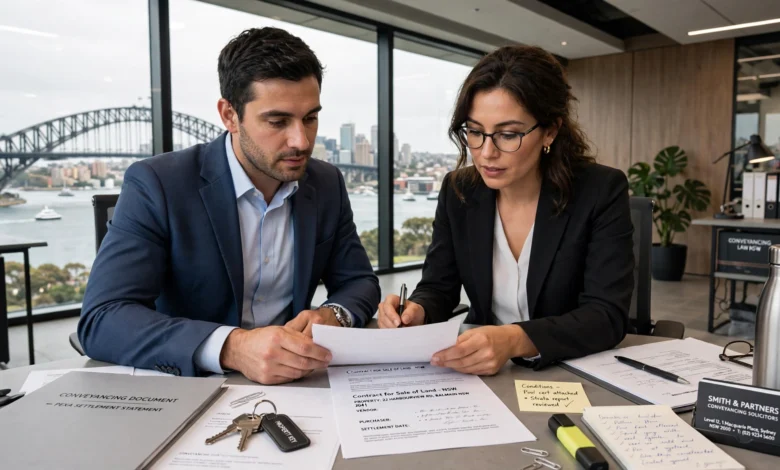
Conveyancing in Sydney is one of those things nobody thinks about until they’re staring down a property contract with a pen in hand. You’ve found the place, your offer’s been accepted (or you’re about to bid at auction), and suddenly someone mentions you need a conveyancer. What does that actually cost? How long is this going to hold up your move? And is there any wiggle room in the price, or is it a fixed cost you just have to wear?
Those are fair questions, and the honest answer is: it depends, but not by as much as you’d think. Most Sydney conveyancing transactions land within a fairly predictable price range and a fairly predictable timeframe, once you know what’s actually included in a quote and what tends to get tacked on afterwards.
This guide walks through what conveyancing actually involves, what it costs for buyers and sellers in Sydney right now, how long the process realistically takes from exchange to settlement, and where delays and extra fees tend to sneak in. Whether you’re buying your first apartment in the inner west or selling a family home on the north shore, the mechanics are largely the same, and knowing them upfront means fewer surprises and a lot less stress when settlement day rolls around.
What Is Conveyancing and Why It Matters in Sydney
Conveyancing is the legal process of transferring ownership of property from a seller to a buyer. It sounds simple, but it involves a surprising amount of behind-the-scenes work: reviewing contracts, running title and council searches, liaising with banks, calculating adjustments for rates and water usage, and finally coordinating the transfer of funds and registration of title on settlement day.
In New South Wales, this work is carried out either by a licensed conveyancer or a solicitor who specialises in property law. Both are legally permitted to handle the transaction, and both are regulated, but they come at different price points and offer slightly different scopes of service.
Sydney’s property market adds its own layer of complexity. With median house prices well above $1.5 million and a high volume of strata properties, contracts here often carry more disclosure documents, more searches, and more room for something to go wrong than in many regional markets. That’s part of why conveyancing in Sydney tends to sit at the higher end of the national fee range, and why choosing the right person for the job matters more than it might in a simpler market.
How Much Does Conveyancing Cost in Sydney?
This is usually the first question people ask, and it’s a reasonable one given how much else a property purchase already costs. As a general guide, conveyancing costs in Sydney typically fall between $800 and $3,000, depending on whether you’re buying or selling, the type of property, and who you engage to do the work.
Broadly:
- Buying a property in Sydney: professional fees usually range from $1,000 to $2,500, before disbursements.
- Selling a property in Sydney: fees tend to run a little higher, often $1,500 to $3,000, largely because sellers are responsible for preparing more of the mandatory disclosure documents up front.
- Off-the-plan or strata purchases can push costs toward the top of these ranges, since there’s more paperwork to review, including strata reports and by-laws.
These figures usually include GST, but it’s worth confirming with any conveyancer or solicitor before you sign on, because not every quote is built the same way.


Professional Fees vs Disbursements
One of the most common sources of confusion around conveyancing costs is the difference between the professional fee and disbursements.
- Professional fees are what you’re paying the conveyancer or solicitor for their time, expertise, and advice. This is the fee most quotes advertise upfront.
- Disbursements are the third-party costs the conveyancer pays on your behalf and then passes on to you. These include things like title searches, council and water authority certificates, PEXA (electronic settlement) fees, and NSW Land Registry Services fees.
Disbursements in NSW commonly add somewhere between $250 and $600 on top of the professional fee, though this varies depending on the property and council area. A well-run firm will give you an itemised estimate of disbursements before you commit, rather than surprising you with them at settlement.
When you’re comparing quotes, always ask whether the number you’re being given is the total cost or just the professional fee. Two quotes that look $500 apart on paper can end up almost identical once disbursements are factored in.
Buying vs Selling Costs
The cost split between buying and selling isn’t arbitrary. Sellers in NSW are legally required to prepare a Contract for Sale that includes a set of prescribed documents, such as a Section 10.7 (previously Section 149) planning certificate, a sewer diagram, and, for strata properties, a strata report. Preparing this contract before the property even goes to market is real work, and it’s reflected in the seller-side fee.
Buyers, by contrast, are mostly paying for contract review, negotiation of special conditions, searches, and management of the settlement itself. It’s less document preparation and more risk assessment and coordination, which is why buyer fees tend to sit slightly lower.
Additional Costs to Budget For
Beyond the core conveyancing fee, there are a few extra costs that catch people off guard if they haven’t budgeted for them:
- Stamp duty (transfer duty): this is separate from conveyancing fees entirely and is calculated by NSW Revenue based on the purchase price. It’s usually the single largest cost in the transaction.
- PEXA settlement fees: most NSW settlements now happen electronically through the PEXA platform, which carries its own small fee, generally already included in disbursements.
- Building and pest inspections: not part of conveyancing itself, but strongly recommended before exchange, particularly for houses.
- Mortgage discharge or registration fees: charged by your bank or lender if finance is involved.
- Adjustments at settlement: council rates, water rates, and strata levies are adjusted between buyer and seller based on the settlement date, which can mean a credit or a small extra payment either way.
Budgeting an extra buffer of a few hundred dollars beyond the quoted conveyancing fee is a sensible habit, simply because property transactions rarely go through without at least one small unexpected line item.
How Long Does Conveyancing Take in Sydney?
The second big question, right after cost, is timing. How long does conveyancing take in Sydney? On average, a straightforward residential transaction takes around six weeks from exchange of contracts to settlement, though the full process, from when you first engage a conveyancer to review a contract through to the keys changing hands, can run anywhere from four to twelve weeks.
Typical Timeline From Contract to Settlement
Here’s roughly how that six-week window tends to break down:
- Contract review (days 1–3): your conveyancer reviews the contract and disclosure documents before you sign anything, flagging any red flags such as easements, caveats, or unusual special conditions.
- Cooling-off period (5 business days): for most private treaty residential sales in NSW, buyers get a statutory cooling-off period after exchange, unless it’s waived via a Section 66W certificate or the property was bought at auction, where no cooling-off applies.
- Exchange of contracts: this is the point where the sale becomes legally binding, subject to the cooling-off period if one applies. The standard settlement period specified in the contract is typically 42 days, though this can be negotiated up or down.
- Searches and requisitions (weeks 1–4): during this period, your conveyancer runs the required title and council searches, requests any outstanding information from the other side, and prepares for settlement.
- Finance approval: if you’re borrowing, your lender needs to issue unconditional approval well before settlement day. This is one of the most common causes of delay.
- Pre-settlement inspection: buyers usually have the right to inspect the property in the days before settlement to confirm it’s in the agreed condition.
- Settlement day: funds are transferred, the title is registered in the buyer’s name, and keys are released, generally all coordinated electronically through PEXA.
What Can Delay Settlement
Six weeks is the norm, but it’s an average, not a guarantee. A few common culprits tend to push settlement out:
- Finance delays: if a bank is slow to issue formal loan approval, settlement often has to be pushed back.
- Title issues: unresolved boundary discrepancies, unregistered easements, or unexpected caveats can require extra time to sort out.
- Chain transactions: if your sale is tied to a simultaneous purchase, a delay anywhere in that chain flows through to everyone involved.
- Missing or incomplete disclosure documents: if a seller’s contract is missing required certificates, buyers can request an extension or, in some cases, rescind.
- Off-the-plan purchases: these carry a longer, 10-business-day cooling-off period and are subject to construction completion timelines, which can extend well beyond the usual six weeks.
A good conveyancer will flag these risks early rather than let them surface as a last-minute scramble, which is one of the strongest arguments for paying a bit more for someone responsive and experienced over the cheapest quote you can find.
The Conveyancing Process Step by Step
It helps to see the whole process laid out, rather than just the cost and the timeline in isolation.
Before You Buy or Sell
For buyers, this means engaging a conveyancer to review any contract before you sign or bid at auction. Auctions are unconditional, meaning there’s no cooling-off period, so getting the contract checked beforehand isn’t optional if you want to avoid nasty surprises after the hammer falls.
For sellers, this stage means instructing a conveyancer or solicitor to prepare the Contract for Sale and gather the required disclosure documents, ideally before the property is listed, so there’s no delay once an offer comes in.
Exchange of Contracts
Exchange happens when both parties sign identical copies of the contract and swap them, usually along with a deposit, commonly 10% of the purchase price, though this is negotiable. From this point, the transaction is legally binding, subject to any cooling-off rights.
Between Exchange and Settlement
This is where most of the conveyancer’s work actually happens, even though it’s largely invisible to the buyer or seller. Searches are ordered and reviewed, requisitions are raised and answered, finance is finalised, and any special conditions in the contract, like the sale being subject to the buyer selling their own property, are worked through.
Settlement Day
Settlement is the final step: the balance of funds is paid, the title transfers to the new owner, and the property is officially registered in their name through NSW Land Registry Services. In the vast majority of Sydney transactions today, this happens electronically via PEXA rather than in person, which has shortened settlement day itself down to a matter of minutes once everything is lined up.
Conveyancer vs Solicitor: Which Should You Choose in Sydney?
Both licensed conveyancers and property solicitors can legally handle conveyancing in Sydney, and for a standard residential purchase or sale, either is capable of doing the job well. The distinction mostly comes down to scope and complexity.
A licensed conveyancer is typically the more cost-effective option and is well suited to straightforward transactions: a standard house or unit purchase with no unusual contract terms or disputes.
A solicitor brings broader legal qualifications and is generally the better choice if your transaction involves anything outside the ordinary, such as a deceased estate, a complex strata dispute, family law considerations, or a commercial property. Solicitors can also represent you in court if a dispute arises, which a conveyancer cannot.
Neither option is inherently “better”, the right choice depends on how complicated your specific transaction is. If you’re unsure, it’s worth a quick call to explain your situation and ask directly whether they think a conveyancer or solicitor is the more appropriate fit.
Whoever you choose, confirm they’re properly licensed. You can verify a conveyancer’s registration through NSW Fair Trading, which maintains licensing records for conveyancers operating in the state.
How to Choose the Right Conveyancer in Sydney
With so many firms offering conveyancing in Sydney, price shouldn’t be the only factor you weigh up. A few things worth checking before you commit:
- Fixed-fee vs hourly billing: most reputable firms now offer fixed-fee conveyancing, which gives you cost certainty. Be wary of open-ended hourly billing for a standard residential transaction.
- Local knowledge: a conveyancer who regularly works with Sydney councils and knows local processing times for searches can often move faster than one working from outside the area.
- Responsiveness: ask how quickly they typically respond to queries. If it takes more than a couple of days just to get a response during the quoting stage, that’s a reasonable signal of how communication will go once you’re mid-transaction.
- Experience with your property type: strata, off-the-plan, and heritage-listed properties all carry their own quirks. It’s worth confirming the firm has handled similar matters before.
- Clear, itemised quotes: ask for a written breakdown that separates the professional fee from disbursements, so you’re comparing like with like against other quotes.
The Australian Institute of Conveyancers NSW Division keeps a directory of licensed members and is a reasonable starting point if you want a recommendation beyond your real estate agent’s usual referral.
Tips to Keep Conveyancing Costs Down and Avoid Delays
A few practical habits can shave both time and money off the process:
- Get your contract reviewed before you bid or make an offer, not after. This avoids rushed reviews and reduces the risk of committing to a property with an issue buried in the fine print.
- Sort your finance pre-approval early. Finance delays are one of the most common reasons settlement gets pushed back, and pre-approval significantly reduces that risk.
- Compare at least two or three written quotes, and make sure each one clearly separates professional fees from disbursements, so you’re not caught out by a “cheap” quote that turns out to be average once the extras are added.
- Respond promptly to requests from your conveyancer. Documents, signatures, and identification requirements all have deadlines, and slow responses on your end can hold up the whole chain.
- Ask about the settlement period before exchange. If you need extra time to arrange finance or move out, it’s far easier to negotiate a longer settlement period upfront than to request an extension later.
None of these will eliminate every risk, but together they meaningfully reduce the chance of unexpected costs or a settlement date that keeps slipping.
Conclusion
Conveyancing in Sydney doesn’t have to be a mystery. In most cases, buyers can expect to pay somewhere between $1,000 and $2,500 in professional fees, sellers a little more, with disbursements adding a few hundred dollars on top, and the whole process from exchange to settlement typically takes around six weeks, barring finance delays, title issues, or a broken settlement chain.
Understanding the difference between professional fees and disbursements, knowing what each stage of the timeline actually involves, and choosing a licensed conveyancer or solicitor who communicates well and knows the Sydney market will do more to keep your transaction on track and on budget than chasing the cheapest quote on offer. Go in informed, ask the right questions upfront, and settlement day becomes a formality rather than a source of stress.