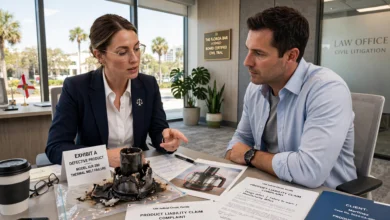
Georgia Burn Injury Claims: 7 Powerful Legal Options for Severe Burn and Chemical Injuries
Georgia burn injury claims guide covering fault rules, workers' comp, filing deadlines, and compensation for severe burn and chemical injuries.

A severe burn changes your life in a matter of seconds. One moment you are at work, cooking at home, or driving down I-75, and the next you are in a burn unit facing surgery, skin grafts, and months of recovery. Chemical injuries can be just as damaging, and sometimes harder to spot at first, because the damage keeps spreading after the initial contact.
If someone else’s carelessness caused your injury, Georgia law gives you ways to recover. Georgia burn injury claims can come from many situations: a defective space heater, a gas leak at an apartment complex, an industrial chemical spill, or an unsafe restaurant kitchen. The right legal path depends on where you were hurt, who was responsible, and whether you were on the job.
This guide walks through how burn and chemical injury cases work in Georgia. You will find the types of claims available, the state rules that shape them (including filing deadlines and fault rules), what compensation can cover, and the steps that protect your case from day one. It also covers the 2025 changes to Georgia’s civil justice laws, which affect how some injury cases are presented to juries.
The goal is simple. You should finish this article knowing what your options are and what questions to ask before you sign anything or talk to an insurance adjuster. Burn cases are expensive and complicated, and understanding the basics puts you in a much stronger position.
What Counts as a Burn or Chemical Injury Under Georgia Law
Georgia does not have a separate set of laws just for burns. Severe burn injuries fall under the general framework of Georgia personal injury law, which means the same principles of negligence, product liability, and premises liability apply. What makes these cases different is the medical picture, which is usually more serious and more expensive than a typical injury claim.
Thermal Burns
These are the most common. They happen when skin touches fire, hot liquids, steam, or hot surfaces. Scalding from water heaters set too high, grease fires, and vehicle fires after a crash all fall into this group.
Chemical Burns
Chemical injury claims involve contact with acids, alkalis (like lye or drain cleaners), solvents, or industrial compounds. Alkali burns are especially dangerous because they keep penetrating tissue until the chemical is neutralized or flushed away. Chemical injuries can also affect the eyes, lungs, and internal organs if the substance is inhaled or swallowed.
Electrical Burns
Electrical burns often look minor on the surface but cause deep internal damage along the path the current traveled. Construction workers, electricians, and people exposed to downed power lines face the highest risk.
Inhalation and Radiation Injuries
Breathing in smoke, toxic fumes, or chemical vapors can burn the airway and lungs. Radiation burns are less common but can happen in medical settings or certain industrial jobs.


How Burn Severity Affects Georgia Burn Injury Claims
The severity of your burn has a direct effect on the value of your claim, the type of medical evidence you need, and how long the case may take. Doctors classify burns by depth:
- First-degree burns affect only the outer layer of skin. They are painful but usually heal within a week or two without lasting damage.
- Second-degree burns reach the second layer of skin, causing blisters and significant pain. Deep second-degree burns can scar and may need grafting.
- Third-degree burns destroy both layers of skin and often damage nerves. They usually require skin grafts and leave permanent scarring.
- Fourth-degree burns go through skin into muscle, tendon, or bone. They can lead to amputation and are often life-threatening.
Doctors also measure the percentage of the body that is burned (total body surface area). A large second-degree burn can be more dangerous than a small third-degree one. In legal terms, third-degree burns and anything covering a large portion of the body usually point to long-term costs: repeat surgeries, physical therapy, compression garments, psychological care, and lost earning ability.
This is why settling early is risky. The full cost of a severe burn often is not clear until months later, after the first round of grafts and treatment.
Common Causes of Severe Burns and Chemical Injuries in Georgia
Georgia’s economy includes manufacturing, poultry processing, chemical plants, construction, logistics, and a large restaurant industry. Each of these carries its own burn risks. Common causes include:
- Workplace chemical exposure in plants, warehouses, labs, and cleaning jobs
- Vehicle crashes that lead to fires, especially involving fuel tankers or commercial trucks
- Gas leaks and explosions in homes, apartments, and commercial buildings
- Defective products like lithium-ion batteries, e-cigarettes, pressure cookers, space heaters, and phone chargers
- Scalding water from improperly set water heaters in rental housing, hotels, and nursing homes
- Restaurant kitchen accidents involving fryers and hot oil
- Electrical hazards on construction sites
- Fires caused by faulty wiring or missing smoke detectors in rental properties
- Pool and cleaning chemical accidents involving chlorine or mixed chemicals
The cause matters because it points to who may be responsible. A battery fire could lead to a manufacturer. An apartment gas explosion may involve the landlord, a maintenance contractor, and a utility company all at once.
7 Legal Options for Georgia Burn Injury Claims
Here is where things get practical. Depending on your situation, you may have one of these options or several at the same time.
1. A Personal Injury Claim Based on Negligence
This is the most common route. If someone failed to act with reasonable care and that failure caused your burn, you can bring a negligence claim. Examples include a driver who caused a crash that led to a fire, or a neighbor who left a bonfire unattended.
You need to show four things: the other party owed you a duty of care, they breached that duty, the breach caused your injury, and you suffered real damages.
2. Premises Liability Claims
Under O.C.G.A. § 51-3-1, Georgia property owners and occupiers must use ordinary care to keep their premises safe for people they invite onto the property. Premises liability comes into play when burns happen because of unsafe property conditions, such as:
- Water heaters set dangerously hot in apartments or hotels
- Gas leaks the landlord knew about and ignored
- Missing or broken smoke detectors
- Exposed wiring or faulty electrical systems
- Unsecured chemicals in stores or public areas
The key question is usually whether the owner knew, or should have known, about the hazard and failed to fix it.
3. Product Liability Claims
When a product causes a burn, the manufacturer, distributor, or seller may be responsible. Georgia’s product liability law (O.C.G.A. § 51-1-11) allows strict liability claims against manufacturers, which means you do not have to prove the company was careless. You need to show the product was defective and that the defect caused your injury.
Defects usually fall into three categories:
- Design defects: The whole product line is dangerous, like a battery design prone to overheating.
- Manufacturing defects: Something went wrong in production with your specific unit.
- Failure to warn: The product lacked adequate warnings or instructions, which is common with household chemicals.
Hold onto the product. Do not throw it away, repair it, or send it back to the company. It is often the single most important piece of evidence in the case. Also be aware that Georgia has a 10-year statute of repose for many product claims, measured from when the product was first sold, with some exceptions.
4. Workers’ Compensation Benefits
If you were burned on the job, workers’ compensation is usually your first source of recovery. Georgia’s system pays medical bills and a portion of lost wages regardless of who was at fault. You generally do not have to prove your employer did anything wrong.
The trade-off is that workers’ comp is usually your only remedy against your employer. You cannot typically sue your employer for pain and suffering. Benefits usually include:
- All authorized medical treatment related to the injury
- Temporary total disability benefits, generally two-thirds of your average weekly wage up to a state maximum
- Permanent partial disability benefits based on impairment ratings
- Death benefits for dependents in fatal cases
Deadlines here are strict. You must report the injury to your employer within 30 days, and you generally have one year from the date of injury to file a claim with the State Board. The Georgia State Board of Workers’ Compensation has official forms and details on the process.
5. Third-Party Claims Alongside Workers’ Comp
This is the option many injured workers miss. Workers’ comp limits what you can recover from your employer, but it does not protect other companies. If someone other than your employer contributed to your burn, you may be able to file a separate personal injury claim against them.
Common third parties in workplace burn cases include:
- The manufacturer of defective equipment or protective gear
- A chemical supplier that mislabeled a product or failed to include proper safety data
- A general contractor or subcontractor on a shared job site
- A property owner where you were working
- A delivery driver or trucking company involved in a spill or fire
A third-party claim can include pain and suffering, full lost wages, and other damages workers’ comp does not cover. The workers’ comp insurer may have a lien on part of that recovery, which is something a lawyer can help you sort out.
6. Toxic Exposure and Chemical Release Claims
Some chemical injuries do not come from a single splash. They come from repeated exposure over weeks, months, or years, or from a sudden release that affects a whole neighborhood. These claims often involve industrial facilities, transport accidents, or improper storage of hazardous materials.
Federal safety standards help establish what companies should have done. The OSHA Hazard Communication Standard requires employers to label chemicals, keep safety data sheets available, and train workers on the risks. A violation of those rules can be strong evidence of negligence in a chemical burn compensation case.
7. Wrongful Death Claims
When a burn or chemical injury is fatal, Georgia law allows certain family members to bring a wrongful death claim. The claim usually belongs first to the surviving spouse, then to children, then to parents. It covers the full value of the person’s life, which includes both economic losses and the intangible value of that life to the person who died.
A separate estate claim can recover medical bills, funeral costs, and the pain and suffering the person went through before death. In severe burn cases, that pre-death suffering can be a significant part of the case.
Proving Fault in a Burn Injury Case
Strong Georgia burn injury claims are built on evidence gathered early. Fire scenes get cleaned up, surveillance footage gets deleted, and products get thrown away. Useful evidence often includes:
- Photos and video of the scene, the product, and your injuries over time
- Fire marshal reports, police reports, and OSHA inspection records
- Maintenance and repair records for buildings or equipment
- Safety data sheets and chemical labels
- Witness statements from coworkers, neighbors, or bystanders
- Medical records documenting burn depth, treatment, and prognosis
- Expert analysis from fire investigators, engineers, or chemists
In many cases, attorneys send a preservation letter early on to require the other side to keep evidence intact. That step alone can make a big difference later.
Georgia Rules That Can Make or Break Your Claim
Several state rules shape every burn case. Knowing them helps you avoid mistakes that can cost you your right to recover.
The Statute of Limitations in Georgia
The general statute of limitations in Georgia for personal injury is two years from the date of injury (O.C.G.A. § 9-3-33). Miss that deadline and your case is almost certainly over, no matter how strong it is.
Some claims have shorter deadlines. If a government entity is involved, you may need to send an ante litem notice much sooner: six months for claims against cities, and twelve months for claims against counties or the state. Chemical exposure cases where illness develops over time can raise complicated timing questions, so it is worth getting advice early.
Modified Comparative Negligence
Georgia follows a modified comparative negligence rule (O.C.G.A. § 51-12-33). If you were partly at fault, your compensation is reduced by your percentage of fault. If you are found 50% or more at fault, you recover nothing.
Insurance companies know this rule well. Expect them to argue that you mishandled a chemical, ignored a warning, or did not wear protective gear. Solid evidence is the best answer to those arguments.
Punitive Damages
Punitive damages are meant to punish especially reckless conduct. In Georgia, they are generally capped at $250,000. The cap does not apply in product liability cases, cases involving specific intent to cause harm, or cases where the defendant was under the influence of alcohol or drugs. Product liability punitive awards are subject to a rule that sends a large share of the award to the state.
The 2025 Tort Reform Changes
In 2025, Georgia passed significant changes to its civil justice laws. Among other things, the new rules affect how medical expenses can be presented as evidence (focusing more on amounts actually paid rather than billed), limit certain arguments lawyers can make to juries about non-economic damages, allow defendants to request that trials be split into separate phases, and narrow some negligent security claims against property owners.
These changes do not eliminate burn injury claims, but they do change strategy. Documentation of medical costs matters more than ever, and cases built on vague estimates will have a harder time. This is one area where working with someone who follows current Georgia law pays off.
What Compensation Can Cover in Severe Burn Injury Cases
Severe burn injuries are among the most expensive injuries to treat. A fair recovery should reflect both what you have already lost and what you will face in the future. Damages may include:
Economic damages
- Emergency care, burn unit stays, and surgeries
- Skin grafts, reconstructive surgery, and future procedures
- Physical and occupational therapy
- Medications, wound care supplies, and compression garments
- Lost wages and reduced future earning capacity
- Home modifications or in-home care
Non-economic damages
- Physical pain during treatment and recovery
- Emotional distress, anxiety, depression, and PTSD
- Scarring and disfigurement
- Loss of enjoyment of life
- Effects on relationships and daily activities
Scarring deserves special attention. Visible scars on the face, hands, or neck can affect how a person works, socializes, and sees themselves for decades. Juries often understand this, but it needs to be presented clearly, often through photos, testimony, and input from mental health professionals.
Steps to Take After a Severe Burn or Chemical Injury
What you do in the first days and weeks can protect both your health and your claim.
- Get medical care right away. For chemical burns, flush the area with water and follow poison control or emergency instructions. Serious burns belong in a hospital, ideally one with a burn center.
- Report the incident. Tell your employer, landlord, or property manager in writing. At work, remember the 30-day reporting rule.
- Document everything. Take photos of the scene, the product, and your injuries at each stage of healing.
- Keep the evidence. Save the product, packaging, receipts, clothing, and any chemical containers.
- Get names. Write down witness names and contact details while memories are fresh.
- Keep records. Track medical bills, missed work, travel to appointments, and out-of-pocket costs.
- Be careful with insurers. Avoid giving recorded statements or signing releases before you understand your rights.
- Stay off social media. Photos and posts can be taken out of context to downplay your injuries.
How a Burn Injury Lawyer in Georgia Can Help
You are not required to hire an attorney, but burn cases are rarely simple. A burn injury lawyer Georgia residents rely on will usually handle things like:
- Identifying every responsible party, including third parties in workplace cases
- Hiring fire investigators, engineers, and medical experts
- Calculating long-term costs with help from life care planners and economists
- Handling the interaction between workers’ comp and third-party claims
- Meeting every deadline, including ante litem notices
- Negotiating with insurers and taking the case to trial if needed
Most personal injury lawyers work on a contingency fee, meaning they are paid a percentage of what they recover and nothing if the case is lost. That makes legal help possible even when medical bills are piling up.
Common Mistakes That Hurt Burn and Chemical Injury Claims
Even strong cases can be weakened by avoidable errors. Watch out for these:
- Accepting a quick settlement before you know the full extent of your medical needs
- Waiting too long and missing the two-year deadline or a shorter government notice deadline
- Assuming workers’ comp is your only option when a third party may share responsibility
- Throwing away the product or letting it be repaired
- Skipping follow-up appointments, which insurers use to argue your injuries are not serious
- Downplaying pain to doctors, which leaves gaps in your medical records
Conclusion
Severe burns and chemical injuries bring painful treatment, high costs, and lasting physical and emotional effects, but Georgia law offers several ways to recover. Depending on the facts, Georgia burn injury claims can be pursued through negligence, premises liability, product liability, workers’ compensation, third-party claims, toxic exposure cases, or wrongful death actions, and often through more than one of these at once.
Success depends on acting quickly, preserving evidence, understanding the two-year statute of limitations and shorter government deadlines, and preparing for comparative fault arguments and the 2025 changes to Georgia’s civil justice rules. With good documentation, sound medical care, and experienced legal guidance, burn and chemical injury survivors can pursue compensation that reflects the true cost of their injuries, both now and years into the future..