Psychological Injury Compensation in Edinburgh: 7 Essential Scottish Legal Rules for a Successful Claim
Psychological injury compensation in Edinburgh explained: Scots law tests, time limits, award values and evidence needed for PTSD and depression claims.
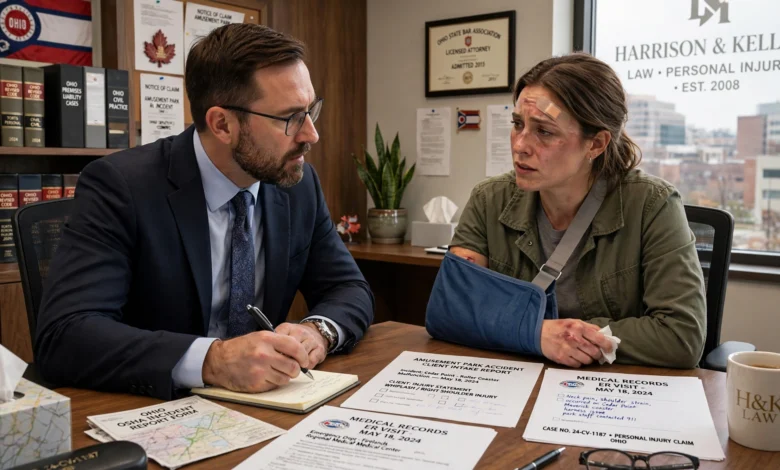
Psychological injury compensation in Edinburgh follows rules that are different from the rest of the UK in ways that matter. Many people assume a claim for PTSD, anxiety or depression works the same way in Scotland as it does in England. It doesn’t. Scotland has its own legal system, its own terminology, its own courts and its own time bar rules, and those differences can shape how much you recover and whether you can claim at all.
If you’ve been through a car crash on the A720, an assault in the city centre, a traumatic event at work or a mistake in hospital care, the mental aftermath can be harder to live with than any physical injury. Sleep goes. Concentration goes. Work becomes difficult. Relationships feel the strain. Scots law recognises all of this, but only when the harm meets certain legal standards.
This guide walks through how psychological injury claims in Scotland actually work. You’ll find out what counts as a recognised psychiatric injury, how the courts treat people who witness trauma rather than suffer it directly, how solatium and financial losses are valued, which Edinburgh courts hear these cases and what evidence you need. It also covers the three-year time limit, funding options and the mistakes that most often weaken a claim.
The aim is simple: to give you a clear picture of your position before you speak to a solicitor, so you can ask the right questions and make informed choices.
What Counts as a Psychological Injury Under Scots Law?
The first hurdle in any psychological injury compensation claim is showing that you have a genuine, diagnosable condition. Scots law draws a firm line between ordinary emotional upset and a recognised psychiatric injury.
Feeling shaken, scared or upset after an accident is a normal human reaction. It doesn’t, on its own, give you a right to damages. What the courts look for is a condition that a psychiatrist or clinical psychologist can diagnose using established medical criteria, usually those found in the ICD-11 or DSM-5.
Common Conditions That Support a Claim
The conditions that most often lead to mental injury compensation in Scotland include:
- Post-traumatic stress disorder (PTSD): Flashbacks, nightmares, avoidance and hypervigilance following a traumatic event. This is one of the most common diagnoses after road accidents and assaults.
- Clinical depression: Persistent low mood, loss of interest and difficulty functioning, often developing after a serious injury or a long recovery.
- Generalised anxiety disorder: Ongoing worry and physical symptoms of anxiety that interfere with daily life.
- Adjustment disorder: A shorter-term reaction to a stressful event that goes beyond what would normally be expected.
- Travel anxiety or specific phobias: Particularly common after road traffic accidents, where someone may be unable to drive or even sit in a car as a passenger.
- Chronic pain syndromes with a psychological element: Where physical and mental symptoms feed into each other.
Stand-Alone and Combined Claims
Psychological harm can form part of a wider claim or stand on its own. Someone who breaks a leg in a workplace fall and then develops depression during a long recovery will usually claim for both injuries together. Someone who walks away from a crash without a scratch but develops PTSD can still bring a claim, as long as the other legal tests are met.
The Legal Test for Psychological Injury Compensation in Edinburgh
In Scotland, a personal injury claim is a claim in delict, which is the Scottish equivalent of tort. The person bringing the claim is called the pursuer, and the person or organisation being sued is the defender.


To succeed, you need to prove three things on the balance of probabilities:
- Duty of care: The defender owed you a legal duty. Drivers owe a duty to other road users, employers to their staff, and NHS Lothian clinicians to their patients.
- Breach of duty: The defender failed to meet the standard of care expected of them.
- Causation: That failure caused your recognised psychiatric injury, not just some general distress.
Causation is where many psychological claims are fought hardest. Insurers often argue that symptoms come from something else, such as earlier mental health difficulties, a bereavement or financial stress. A pre-existing condition doesn’t end your claim. Under the “take your victim as you find them” principle, a defender who worsens an existing vulnerability is still responsible for that worsening. Your damages may be adjusted to reflect what would likely have happened anyway, but you can still recover.
Primary and Secondary Victims in Scottish Psychiatric Injury Claims
One of the most important Scottish legal standards in this area is the distinction between primary victims and secondary victims. Where you fall decides which tests you must meet.
Primary Victims
A primary victim is someone who was directly involved in the incident, either injured themselves or placed in reasonable fear of being injured. If a van mounts the pavement on Leith Walk and narrowly misses you, you’re a primary victim even without a physical injury, because you were in the zone of danger. For primary victims, the main question is whether some kind of personal injury was foreseeable. If it was, psychiatric harm can be recovered.
Secondary Victims
A secondary victim is someone who suffers psychiatric injury from witnessing harm to another person. The law here is much stricter. Scottish courts follow the approach set out in Alcock v Chief Constable of South Yorkshire Police, which came out of the Hillsborough disaster. A secondary victim normally needs to show:
- A close tie of love and affection with the injured person, which is presumed for parents, children and spouses but has to be proven for others.
- Physical proximity to the event or its immediate aftermath.
- Direct perception of the event with their own senses, not hearing about it later from someone else.
- A sudden, shocking event rather than a gradual realisation over time.
In 2024 the UK Supreme Court looked again at secondary victim claims in medical cases in Paul v Royal Wolverhampton NHS Trust. It held that relatives who witness a loved one die from an illness that doctors negligently failed to diagnose generally can’t recover as secondary victims. Although this was an English appeal, Supreme Court rulings on common law principles like this carry very strong weight in Scotland, and Scottish courts are expected to follow the same reasoning.
The Scottish Law Commission recommended reform of this whole area as far back as 2004, suggesting the primary and secondary victim labels be replaced with a clearer statutory test. Those proposals have not become law, so the traditional rules still apply.
Rescuers and Employees
People who go to help at an accident scene, and workers who witness trauma in the course of their job, fall into a grey area. Rescuers are not automatically treated as primary victims. Unless they were themselves in danger, they are likely to face the secondary victim tests.
Workplace Stress and Psychological Injury Claims in Scotland
Work-related stress claims are their own category of psychiatric injury claims. They don’t usually involve a single shocking event. Instead, they arise from excessive workload, bullying or poor management over time.
Scottish courts apply the same broad principles used across the UK, including the guidance from Hatton v Sutherland. An important early Scottish example is Rorrison v West Lothian Council, which showed how difficult these claims can be if the employer had no reason to know an employee was at risk.
The key question is foreseeability. Was it reasonably foreseeable to your employer that you, specifically, would suffer psychiatric harm? Relevant factors include:
- Whether you told a manager or HR that you were struggling
- Whether you had previous stress-related absences the employer knew about
- Whether your workload was unusually heavy compared with colleagues
- Whether the employer ignored grievances or complaints about bullying
- Whether reasonable steps like reduced hours or support were offered
If your employer knew and did nothing, your claim is much stronger. If you kept your difficulties hidden, it’s harder to show the employer should have acted.
How Psychological Injury Compensation Is Calculated in Scotland
Once liability is established, the next question is value. Psychological injury compensation in Edinburgh is split into two broad heads of damages.
Solatium: Compensation for Pain and Suffering
Solatium is the Scottish term for compensation for pain, suffering and loss of amenity. It covers the distress itself and the way the condition has affected your ability to enjoy life, whether that’s hobbies, socialising, family life or sleep.
Scottish judges assess solatium by looking at previous Scottish decisions for similar injuries. They also refer to the Judicial College Guidelines, which are published in England but widely used in Scotland as a cross-check. The 18th edition of the Judicial College Guidelines was published on 9 April 2026, and its figures were adjusted to reflect increases in the Retail Prices Index up to August 2025, an uplift of roughly 8.26%.
The guidelines place psychiatric damage into four main bands:
- Severe: Marked problems with work, relationships and coping with life, with a poor prognosis. Awards here run well into six figures.
- Moderately severe: Significant problems but a more optimistic outlook, often with some improvement after treatment.
- Moderate: Real difficulties that have largely improved, with a good prognosis.
- Less severe: Short-lived symptoms, often resolving within a year or two, which can attract a few thousand pounds.
PTSD has its own separate set of bands that follow a similar structure. Factors that push a claim higher include the length of symptoms, how much treatment helped, whether you can return to work, and the medical prognosis.
Patrimonial Loss: Your Financial Losses
Patrimonial loss covers money you have lost or will lose because of the injury. For psychological claims this can be substantial, because mental health conditions often affect a person’s ability to work far more than a physical injury of similar seriousness. Common items include:
- Past loss of earnings: Wages lost from the date of injury to settlement.
- Future loss of earnings: If you can’t return to your old job, or can only work reduced hours.
- Loss of pension rights: Linked to reduced earnings over time.
- Treatment costs: Private therapy, psychiatric care or medication, especially where NHS waiting lists would delay recovery.
- Services claims: Under the Administration of Justice Act 1982, you can claim for care and help given by family members, and for services you can no longer provide to your family, such as childcare or DIY.
- Travel and incidental costs: Getting to appointments and similar expenses.
Interest on Damages
Scottish courts can award interest on damages, and the judicial rate of interest has sat at 8% a year for a long time. For claims that take several years to resolve, interest can add a meaningful sum, which is one reason insurers sometimes prefer to settle earlier.
Edinburgh Courts That Handle Psychological Injury Claims
Edinburgh sits at the heart of the Scottish civil justice system. Most Edinburgh personal injury claims settle through negotiation, but knowing where a case would be heard helps you understand the process.
The All-Scotland Sheriff Personal Injury Court
The specialist Sheriff Personal Injury Court sits at Edinburgh Sheriff Court but has jurisdiction across the whole of Scotland. It was set up on 22 September 2015 following the Scottish Civil Courts Review led by Lord Gill. It handles personal injury cases worth more than £5,000 and work-related injury cases worth more than £1,000, and it can hear cases with a civil jury of twelve.
You can find procedural information on the official Scottish Courts and Tribunals Service Personal Injury Court page.
The Court of Session
The Court of Session in Parliament House is Scotland’s supreme civil court. The sheriff court has exclusive jurisdiction over claims worth up to £100,000, so higher-value and complex claims, such as severe PTSD cases with large future wage losses, can be raised in the Court of Session instead. Jury trials are possible here too, and jury awards have historically influenced the general level of Scottish solatium.
Simple Procedure
Very low-value claims, under £5,000, generally go through simple procedure in local sheriff courts. Most psychological injury claims with properly documented symptoms are worth more than this.
The Compulsory Pre-Action Protocol
For personal injury claims worth up to £25,000 in the sheriff court, a compulsory pre-action protocol applies. It requires both sides to exchange information, disclose evidence and try to settle before raising court proceedings. Ignoring it can lead to penalties on expenses, so it shapes the early months of many smaller claims.
Time Limits for Psychological Injury Claims in Scotland
The time bar is one of the most important Scottish legal standards, and missing it can end a valid claim entirely.
Under section 17 of the Prescription and Limitation (Scotland) Act 1973, you generally have three years to raise court proceedings. The clock starts from the later of:
- The date of the incident, or
- The date you became aware, or could reasonably have become aware, that your injury was serious enough to justify a claim, that it was caused by someone’s act or omission, and who was responsible.
This “date of knowledge” rule matters in psychological cases because symptoms can build slowly. PTSD sometimes emerges months after the event.
Exceptions to the Three-Year Rule
- Children: Time doesn’t run until a child turns 16, so they have until their 19th birthday.
- People lacking capacity: Time may be paused while someone is unable to manage their own affairs.
- Childhood abuse: The Limitation (Childhood Abuse) (Scotland) Act 2017 removed the time bar for most claims involving abuse suffered as a child since September 1964.
- Judicial discretion: Section 19A of the 1973 Act lets a court allow a late claim where it’s fair to do so, but this is never guaranteed and shouldn’t be relied on.
Criminal Injuries Compensation
If your psychological injury came from a violent crime, you may be able to apply to the Criminal Injuries Compensation Authority rather than, or alongside, a civil claim. The CICA scheme allows claims for psychological injury from witnessing an attack on someone else only in very limited circumstances, and applications should generally be made within two years of the incident. You can check eligibility on the official GOV.UK criminal injuries compensation page.
Evidence You Need to Prove a Psychological Injury Claim
Psychological injuries are invisible, which makes evidence especially important. A strong PTSD compensation claim in Scotland or anxiety claim usually rests on the following.
Medical Evidence
- GP records: Early visits describing your symptoms help show when problems started and how they developed.
- Treatment records: Notes from counsellors, NHS psychological services or psychiatrists.
- An independent expert report: A consultant psychiatrist or clinical psychologist will usually examine you and prepare a report on diagnosis, causation and prognosis. This report often decides the value of the claim.
Supporting Evidence
- Incident evidence: Police reports, accident report forms, dashcam footage or CCTV.
- Witness statements: From people who saw the incident and people who’ve noticed changes in you since.
- Employment records: Sick notes, absence records and correspondence with HR.
- A personal diary: Brief notes on sleep, mood, panic attacks and missed activities can be surprisingly persuasive.
- Financial records: Payslips, receipts and invoices for treatment costs.
The earlier you seek medical help, the better. Delays can let insurers argue your symptoms weren’t serious, or came from something else.
Funding a Psychological Injury Claim in Edinburgh
Cost worries stop many people from pursuing claims they would probably win. Scotland has introduced reforms that make funding more accessible.
No Win, No Fee and Success Fee Agreements
Most Scottish personal injury solicitors work on a no win, no fee basis. Under the Civil Litigation (Expenses and Group Proceedings) (Scotland) Act 2018, success fee agreements let solicitors take a percentage of damages if you win. In personal injury cases these fees are capped on a sliding scale, so a larger share of the compensation stays with you.
Qualified One-Way Costs Shifting
Since 2021, qualified one-way costs shifting (QOCS) has applied to personal injury cases in Scotland. In simple terms, if you lose, you usually won’t have to pay the defender’s legal expenses, provided you’ve acted properly and honestly. This removes one of the biggest financial risks of going to court.
Other Options
Some people have legal expenses cover through home or car insurance, or through a trade union. Legal aid is still available in limited circumstances but is less common for personal injury claims now.
Common Mistakes That Weaken Psychological Injury Claims
Even strong cases can lose value through avoidable errors. Watch out for these:
- Not seeing a doctor: Without medical records, it becomes your word against the insurer’s.
- Accepting an early offer: Insurers sometimes make quick offers before the full effect of a psychological injury is known. Once accepted, you can’t go back.
- Posting on social media: Photos of holidays or nights out can be used to suggest you’re coping better than you say, even when that’s misleading.
- Leaving it too late: The three-year limit passes faster than people expect, especially during a difficult recovery.
- Understating symptoms: Many people minimise their difficulties out of pride or habit. Be honest and specific with doctors and experts.
- Ignoring financial losses: People focus on solatium and forget the services, treatment and future earnings claims that often make up the larger part of a settlement.
Frequently Asked Questions About Psychological Injury Compensation in Edinburgh
Can I claim for psychological injury without a physical injury?
Yes. If you were a primary victim in danger, or you meet the secondary victim tests, you can claim for a recognised psychiatric condition alone.
How long does a psychological injury claim take?
Straightforward claims where liability is admitted can settle within a year or so. Claims involving disputed liability, severe injuries or uncertain prognosis can take several years, partly because experts may need to see how you respond to treatment before valuing the claim properly.
Will I have to go to court?
Most claims settle without a hearing. Court proceedings are often raised to move a case along, but a trial or proof is relatively rare.
Do I need an Edinburgh solicitor?
You need a solicitor qualified in Scots law, because English solicitors can’t raise proceedings in Scottish courts. A firm familiar with the Edinburgh courts has a practical advantage, but Scottish firms elsewhere can handle cases there too.
Conclusion
Psychological injury compensation in Edinburgh depends on meeting clear Scottish legal standards: a diagnosed psychiatric condition, a breach of duty that caused it, and, for those who witnessed harm to others, the strict secondary victim tests that the courts still apply after Paul v Royal Wolverhampton. Awards are made up of solatium, guided by Scottish case law and the recently updated Judicial College Guidelines, together with patrimonial losses such as earnings, treatment and services, which can often be the larger part of the claim.
Edinburgh is home to both the Court of Session and the specialist Sheriff Personal Injury Court, and the compulsory pre-action protocol, success fee caps and QOCS protections have made claiming more accessible than it used to be. The three-year time bar remains the biggest risk, so anyone dealing with PTSD, depression or anxiety after an incident that wasn’t their fault should get medical help early, keep good records and take advice from a Scottish solicitor well before the deadline approaches.