Zoning Law Disputes in Ohio: What Homeowners Can Do When Councils Say No
Zoning law disputes in Ohio can stall a home project overnight. Here's how homeowners can fight a council denial and win. Zoning Law Dispu
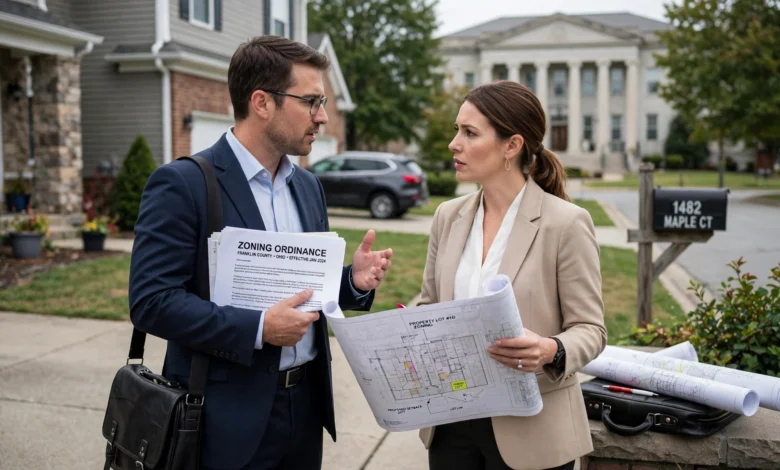
Zoning law disputes in Ohio happen more often than most homeowners expect, and they usually arrive at the worst possible time. You’ve drawn up plans for an addition, a fence, a detached garage, or a home business, and then a zoning inspector or city council tells you no. It feels personal, even when it isn’t. The truth is that Ohio’s zoning system is built on layers of local rules, and those rules don’t always account for your specific lot, your specific project, or your specific circumstances.
The good news is that a denial from a council or zoning department is rarely the final word. Ohio law gives homeowners a real path to challenge these decisions, starting with the local Board of Zoning Appeals and, if needed, moving all the way up to the county court system. Knowing how that process works, and what mistakes to avoid, can be the difference between losing a project entirely and getting the approval you need.
This article walks through why zoning denials happen in Ohio, how the appeals process actually works, what a variance is and how to qualify for one, and what your options look like if a council keeps saying no. Whether you’re dealing with a township trustee board or a city council, the strategies below apply.
What Counts as a Zoning Law Dispute in Ohio
A zoning dispute is any disagreement between a property owner and a local government over how land can be used or developed. In Ohio, these disputes show up in a few common forms:
- A homeowner wants to build something that violates setback, height, or lot-coverage rules
- A property owner wants to use their land or home for a purpose the zoning code doesn’t allow (like running a business from a residential lot)
- A council or zoning board denies a permit application without a clear explanation
- Neighbors object to a proposed project and the council sides with them
- A homeowner inherits a “nonconforming” structure or use that predates current zoning rules and now faces enforcement
Zoning authority in Ohio isn’t centralized. It’s split between municipalities, townships, and counties, and each one writes and enforces its own zoning code. That’s part of why disputes can feel so confusing. What’s allowed two streets over, in a different township, might not be allowed on your lot at all.
Why Ohio Councils Say No: Common Reasons for Denial
Before you can fight a denial, it helps to understand why it happened. Most zoning denials in Ohio fall into a handful of categories.
Setback and Lot Size Violations
This is the most common reason projects get rejected. Every zoning district sets minimum distances between structures and property lines, along with rules on lot coverage and building height. If your addition, deck, shed, or fence crosses one of these lines on paper, the zoning department has little choice but to deny the permit as submitted.
Nonconforming Use Issues
If your property or a structure on it was built before current zoning rules took effect, it may be “legally nonconforming.” That status can get complicated fast. Expand the structure, change its use, or let it sit vacant too long, and you may lose the legal protection that let it exist in the first place. Councils frequently deny permits tied to nonconforming properties because they’re worried about expanding a use the current code wouldn’t otherwise allow.
Neighborhood Opposition
Ohio zoning hearings almost always include a public notice and comment period. Councils and boards are sensitive to organized neighbor opposition, especially on projects involving additional units, commercial use, or anything perceived to affect property values or traffic. A vocal group of neighbors can sway a vote even when the project technically complies with the code.


Incomplete or Inaccurate Applications
A surprising number of denials come down to paperwork. Missing site plans, incorrect measurements, or an application that doesn’t address the specific standard a board is required to evaluate will get rejected, sometimes without a full hearing on the merits.
Understanding Ohio’s Zoning Authority: Townships, Cities, and Counties
Ohio zoning power comes from state statute, but it’s exercised locally. Ohio Revised Code Chapter 519 governs township zoning, Chapter 303 governs county zoning, and Chapter 713 governs municipal zoning. Each grants local governments the authority to create zoning resolutions and establish a Board of Zoning Appeals to hear disputes.
This matters for homeowners because the process, the forms, and even the standards used to judge your case can differ depending on whether you live in a township, a city, or unincorporated county land. Before you do anything else, confirm which body actually has jurisdiction over your property. A quick call to your county auditor’s office or your local zoning department will tell you.
Your First Move: Request a Written Explanation
Before filing any formal appeal, ask the zoning department or council for a written statement explaining the denial. Ohio zoning codes generally require specific findings, not just a “no.” Getting this in writing does three things:
- It forces the decision-maker to identify the exact code section your project conflicts with
- It creates a paper trail you’ll need if you appeal
- It sometimes reveals that the denial was based on a misunderstanding you can quickly correct
Many disputes resolve at this stage. A misread setback line or an outdated survey can turn a flat denial into an approval once the record is corrected.
The Board of Zoning Appeals (BZA): Your First Line of Defense
If the denial stands, your next stop is the local Board of Zoning Appeals, sometimes called a Board of Zoning Adjustment depending on the jurisdiction. This board exists specifically to hear appeals of zoning decisions and to grant relief from strict application of the code when it would create a genuine hardship.
The BZA operates as a quasi-judicial body. That means it holds a public hearing, reviews evidence, and issues a decision based on specific legal standards, rather than a simple majority vote on whether people like the project.
Area Variances vs Use Variances
Ohio law recognizes two main types of zoning variances, and knowing which one applies to your situation changes your entire strategy.
- Area variances apply to dimensional requirements, things like setbacks, lot size, height limits, or parking counts. These are the more common and more achievable type of variance. Courts and boards generally apply a more flexible standard here, weighing factors like whether the hardship is unique to the property and whether the variance is the minimum necessary.
- Use variances allow a property to be used in a way the zoning district wouldn’t otherwise permit, such as operating a commercial use on residential land. These are harder to win because they require proving “unnecessary hardship,” a standard that generally means the property has no reasonable use under the current zoning at all, not just that a variance would be more profitable or convenient.
The Unnecessary Hardship Standard
For a use variance, Ohio boards typically look at whether:
- The property cannot yield a reasonable return or be used for any permitted purpose without the variance
- The hardship is due to unique circumstances of the property, not conditions common to the whole neighborhood
- Granting the variance won’t alter the essential character of the area
- The hardship wasn’t created by the property owner’s own actions
Area variances use a more forgiving, multi-factor balancing test that weighs practical difficulty against the public interest, which is why they succeed far more often than use variance requests.
How to Prepare a Strong Variance Application
A well-prepared application dramatically improves your odds. Before you file:
- Get a current, accurate survey of your property showing exact measurements
- Take photos documenting the unique conditions of your lot (slope, shape, easements, mature trees, drainage issues)
- Write a short statement addressing each factor the board is legally required to consider, not just “why you want” the variance
- Collect supporting letters from immediate neighbors, if you can get them
- Review the specific ordinance section cited in your denial and explain, point by point, how your revised plan responds to it
Boards are far more receptive to applicants who clearly understand the standard they’re being judged against, rather than applicants who simply argue the rule is unfair.
What Happens at the BZA Hearing
Most Ohio jurisdictions require public notice before a BZA hearing, often including mailed notice to property owners within a set radius (commonly 200 to 300 feet) and sometimes posted signage on the property itself. At the hearing, you’ll typically be able to:
- Present your application and supporting evidence
- Respond to questions from board members
- Hear from neighbors or other interested parties
- Receive a decision that evening or have your case tabled for more information
Show up prepared, stay factual, and avoid getting into disputes with neighbors during the hearing. Boards respond better to applicants who stick to the standards than to those who argue on emotion alone.
If the BZA Still Says No: Appealing to Common Pleas Court
A denial from the Board of Zoning Appeals isn’t necessarily the end of the road. Ohio homeowners have the right to appeal that decision to the county Court of Common Pleas.
R.C. Chapter 2506 Administrative Appeals
Appeals from a BZA decision are governed by <a href=”https://codes.ohio.gov/ohio-revised-code/chapter-2506″ target=”_blank” rel=”noopener”>Ohio Revised Code Chapter 2506</a>, which covers administrative appeals from local government bodies. Under this process, the court reviews the record from the BZA hearing to determine whether the board’s decision was unconstitutional, illegal, arbitrary, capricious, unreasonable, or unsupported by the weight of the evidence.
This is a meaningful check on local zoning power, but it’s also a narrower review than a fresh trial. The court generally isn’t re-deciding whether your project is a good idea. It’s deciding whether the board followed the law and had a reasonable evidentiary basis for its ruling. That’s why the record you build at the BZA hearing matters so much. If key evidence never made it into that record, it can be difficult, sometimes impossible, to introduce it later on appeal.
Deadlines Matter
Ohio’s administrative appeal deadlines are short and unforgiving, typically requiring a notice of appeal to be filed within 30 days of the board’s decision. Miss that window and you generally lose the right to appeal altogether, regardless of how strong your underlying case might be. If you’re considering a court appeal, talk to an attorney immediately after the BZA ruling rather than waiting to see how you feel about it.
Other Options Homeowners Have
A variance and a court appeal aren’t the only tools available. Depending on your situation, one of these approaches might fit better.
Rezoning Requests
If your project conflicts with the zoning classification of your property rather than a specific dimensional rule, you may be able to petition for a formal rezoning. This is a legislative process handled by the city council or township trustees rather than the BZA, and it usually involves a recommendation from the local planning commission before a final vote. Rezoning is a bigger lift than a variance, but it can be the right move if you want a lasting change rather than a one-time exception.
Referendum Petitions
In some Ohio townships, residents can force a public vote on a zoning amendment through a referendum petition, provided they gather enough qualifying signatures within the statutory window. This tool cuts both ways. It can be used by homeowners pushing back against an unwanted rezoning nearby, or it can complicate a homeowner’s own rezoning request if neighbors organize against it.
Negotiating with City Council or Township Trustees
Sometimes the most practical path is a direct conversation. Many Ohio homeowners find that reaching out to their council member or township trustee before a hearing, explaining the project, and addressing concerns proactively resolves issues that would otherwise turn into a contested vote. This isn’t a legal remedy, but it’s often the fastest one.
Working With a Zoning Attorney
Not every dispute needs a lawyer, especially a straightforward area variance with no organized opposition. But you should strongly consider hiring one if:
- You’re pursuing a use variance or facing significant neighbor opposition
- The BZA has already denied your application once
- You’re considering an appeal to Common Pleas Court
- The dispute involves alleged nonconforming use violations with enforcement penalties attached
- The project has real financial stakes, like a rental property or home-based business
A local zoning attorney will know how a specific board tends to rule, what evidence carries weight with them, and how to build a hearing record that holds up if the case ends up in court. For general background on how administrative agencies and local boards operate under Ohio law, resources like the <a href=”https://www.ohiobar.org/” target=”_blank” rel=”noopener”>Ohio State Bar Association</a> can help homeowners find qualified local counsel.
Practical Tips for Homeowners Facing a Zoning Dispute
A few habits consistently separate homeowners who win their zoning appeal from those who don’t:
- Read the actual ordinance, not just the denial letter. Know the exact standard the board applies.
- Document everything in writing. Emails and letters create a record that phone calls don’t.
- Talk to neighbors early, before a hearing puts them on the defensive.
- Don’t skip deadlines. Ohio’s appeal windows are short and strictly enforced.
- Bring a survey, not a sketch. Boards trust licensed, measured documents far more than hand-drawn plans.
- Stay calm at hearings. Boards remember applicants who are cooperative and prepared, and that reputation can matter if you’re back before them again.
- Consider the minimum ask. A modest variance request is more likely to succeed than one that pushes the limits of what the code allows.
Zoning disputes can feel like a homeowner against city hall, but Ohio’s process is designed to give property owners a real chance to be heard. Councils and boards say no more often than homeowners expect, but “no” is frequently just the first answer, not the final one.
Conclusion
Zoning law disputes in Ohio are frustrating, but they’re rarely a dead end. Whether a council or a zoning inspector has denied your project, the path forward usually starts with understanding exactly why, then working through the Board of Zoning Appeals with a well-documented variance request that speaks directly to the legal standard involved. If that doesn’t resolve things, homeowners still have the option to appeal to the county Court of Common Pleas under Ohio Revised Code Chapter 2506, pursue a formal rezoning, or negotiate directly with local officials.
The homeowners who succeed are usually the ones who treat the process seriously from the start: they get the denial in writing, build a strong evidentiary record, meet every deadline, and bring in a local zoning attorney when the stakes call for it. A “no” from council is a starting point for a well-prepared homeowner, not a final ruling.