Emergency Custody Orders in Florida: When Courts Act Fast to Protect Children
Emergency custody orders in Florida let judges act within hours to protect a child from abuse, abandonment, or danger. Here's how the process works.
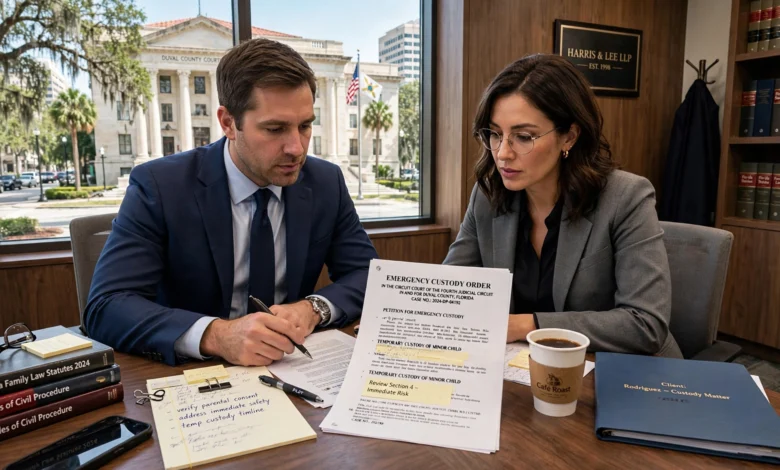
Emergency custody orders in Florida exist for one reason: to protect a child when waiting for a normal court date could put that child in danger. Most custody disputes move at the pace of the family court calendar, which can mean weeks or months between filing a motion and getting in front of a judge. That timeline works fine for disagreements about pickup times or summer vacation schedules. It does not work when a child is facing abuse, abandonment, or the real risk of being taken out of state.
Florida law gives judges a narrow but powerful tool to step in immediately when a child’s safety is on the line. This process is not meant to settle every parenting dispute, and courts take it seriously when someone tries to use it that way. Understanding when an emergency motion is appropriate, what evidence a judge expects to see, and what happens after the order is granted can make the difference between a case that moves quickly and one that stalls out or backfires.
This guide walks through what qualifies as an emergency, how the filing process works, what happens at the hearing, and how these orders eventually connect to a permanent custody or time-sharing arrangement.
What Are Emergency Custody Orders in Florida?
An emergency custody order is a temporary court order that changes where a child lives, or who has authority to make decisions for that child, based on an urgent safety concern. Unlike a standard custody modification, which follows the regular family court process and can take months, an emergency order is designed to be resolved in days, sometimes hours.
Florida courts issue these orders under Florida Statutes Section 61.517, which governs temporary emergency jurisdiction. The statute allows a Florida court to act when a child is physically present in the state and either has been abandoned or faces a situation where the child, a sibling, or a parent is being subjected to or threatened with mistreatment or abuse.
A separate law, Florida Statutes Section 751.05, allows grandparents and other extended family members to petition for temporary custody when a child’s parents cannot provide care due to circumstances like incarceration, substance abuse, or a mental health crisis. That process has its own requirements and is distinct from a parent-versus-parent emergency motion.
It’s worth being clear about what these orders are not. They are not a shortcut to winning a custody case, and they are not meant for ordinary disagreements over parenting decisions, communication style, or scheduling conflicts. Florida courts have made clear that emergency custody exists to stabilize a genuinely dangerous situation, not to give one parent leverage in a broader dispute.
When Does a Situation Qualify as an Emergency?
Not every urgent-feeling problem meets the legal bar for emergency relief. Judges look for evidence of an immediate, credible threat to the child’s safety or wellbeing. Common situations that may qualify include:
- Physical or sexual abuse, whether documented through medical records, police reports, or credible witness statements
- Abandonment, where a parent has left the child without provision for care
- Domestic violence in the home, even if directed at a sibling or the other parent rather than the child directly
- Substance abuse that creates an unsafe environment, particularly when it affects a parent’s ability to supervise the child
- Untreated mental health crises that put the child at risk
- Credible threat of abduction, especially when there’s reason to believe a parent plans to remove the child from Florida or the country
- Dangerous living conditions, such as unsafe housing, exposure to violence, or neglect of basic needs
What tends to get an emergency motion denied is a lack of specificity. Judges expect sworn facts, not general accusations. Vague claims that a parent is “unfit” or “not a good influence” without concrete, documented incidents rarely meet the standard. Courts have also cautioned that routine parenting disagreements, such as differing rules about screen time or bedtime, do not rise to the level of an emergency, no matter how strongly a parent feels about them.


How to File for Emergency Custody in Florida
The filing process for emergency custody orders in Florida is more structured than many parents expect, even though it moves fast. Here’s a general outline of the steps involved.
1. Determine Whether a Case Already Exists
If you already have an open custody, divorce, or paternity case, your emergency motion is filed within that existing case. If no case exists yet, you’ll typically need to open one first, usually through a Petition to Establish Paternity and Time-Sharing for unmarried parents, or a Petition for Dissolution of Marriage if you’re still legally married to the other parent.
2. Prepare the Emergency Motion
The core document is usually titled something like an Emergency Motion for Temporary Custody. Florida’s Family Law Rules of Procedure require the motion to clearly explain why the situation qualifies as an emergency and why waiting for a standard hearing date would put the child at risk.
3. Draft a Supporting Affidavit
Alongside the motion, you’ll need a sworn affidavit laying out the specific facts supporting your request. This is where detail matters most. Dates, specific incidents, and any available documentation (photos, messages, police reports, medical records) strengthen the petition considerably.
4. File With the Court and Request Judicial Review
Once filed, the motion is typically brought directly to the judge’s office or division assigned to the case. In many circumstances, a judge will review an emergency motion the same day it’s filed, given the urgency involved.
5. Await the Judge’s Decision
Florida courts generally handle emergency requests in one of two ways: through an ex parte hearing, where the judge reviews the petition and rules based on the sworn facts alone before the other parent is notified, or through an expedited hearing with notice to both sides. Ex parte relief is reserved for situations where notifying the other parent in advance could increase the danger to the child, such as cases involving a flight risk or immediate physical threat.
What Happens After the Order Is Granted
If a judge grants emergency custody, several things happen in fairly quick succession.
First, the court issues a temporary order, which may direct law enforcement to take physical custody of the child and place them with the petitioning parent or another safe custodian. In situations involving an ex parte order, the other parent must still be served with the petition, the order, and notice of an upcoming hearing as soon as possible after the fact.
Second, a full hearing gets scheduled, usually within a short window, where both parents have the opportunity to present evidence. This step matters a great deal. Florida courts have repeatedly emphasized that even genuine emergencies don’t erase a parent’s due process rights. In one notable appellate decision, a Florida court underscored that emergency custody orders and time-sharing modifications cannot bypass the fundamental right of both parents to receive notice and be heard, even when the situation is urgent. The case serves as a reminder that speed and fairness have to coexist in these proceedings.
Third, the emergency order remains temporary. It is designed to stabilize the situation, not to serve as a final custody ruling. The long-term custody or time-sharing arrangement still has to go through the normal evidentiary process, where the court applies the best interests of the child standard laid out in Florida Statutes Section 61.13.
Ex Parte Hearings vs. Emergency Hearings With Notice
Because this distinction confuses a lot of people, it’s worth breaking down clearly:
| Type | When It’s Used | Notice to Other Parent |
|---|---|---|
| Ex Parte Emergency Order | Immediate danger, flight risk, or notifying the other parent could escalate harm | After the fact, as soon as reasonably possible |
| Emergency Hearing With Notice | Urgent but not so immediate that advance notice creates additional risk | Before the hearing, though on a compressed timeline |
Both paths still lead to a full hearing where the other parent can respond and present their own evidence. The difference is simply whether that response happens before or after the initial protective order takes effect.
Common Mistakes That Weaken an Emergency Custody Petition
Family law attorneys see the same errors repeatedly, and they can seriously undercut an otherwise valid case:
- Filing without sufficient documentation. Sworn statements carry more weight when backed by evidence like text messages, photos, medical records, or police reports.
- Overstating the situation. Judges read a lot of these motions. Exaggeration is usually easy to spot, and it damages credibility for the rest of the case.
- Using emergency motions for non-emergencies. Trying to gain a tactical advantage in a routine custody dispute by labeling it an emergency tends to backfire and can hurt a parent’s standing later in the case.
- Missing the “why now” explanation. The motion needs to explain specifically why waiting for a normal hearing date would harm the child, not just that a bad situation exists.
- Failing to follow up after a temporary order. An emergency order is not the finish line. Parents need to prepare for the follow-up hearing with the same seriousness as the initial filing.
Emergency Custody vs. Standard Custody Modifications
It helps to understand how emergency relief fits into the bigger picture of Florida custody law.
A standard custody modification requires showing a substantial, material, and unanticipated change in circumstances since the last order, and it follows the regular court calendar, discovery process, and hearing schedule. This can take months.
Emergency custody, by contrast, is reserved for situations involving immediate risk to a child’s safety. It moves fast precisely because waiting would be harmful, but it’s also temporary by design. Once the immediate danger is addressed, the case still returns to the standard track, where the court evaluates the full picture of what arrangement truly serves the child’s best interests going forward.
Parents sometimes assume that winning emergency relief locks in a favorable outcome for the rest of the case. That’s not how Florida courts approach it. Judges know the emergency order was based on limited information gathered quickly, so they still expect a complete evidentiary presentation before making decisions about long-term parental responsibility and time-sharing.
Working With an Attorney
Given how quickly these cases move and how much weight is placed on the specificity of the sworn facts, most family law practitioners strongly recommend working with an attorney experienced in Florida custody matters before filing. An attorney can help make sure the motion meets the legal standard, that the supporting affidavit is thorough, and that the filing doesn’t come across as an attempt to gain leverage rather than protect a child. For background on how Florida courts weigh custody decisions generally, the Florida Statutes governing time-sharing and parental responsibility lay out the best interest factors judges apply, and the Florida Courts Family Law Self-Help resources offer guidance and approved forms for parents navigating the process without full representation.
Frequently Asked Questions
How fast can a Florida court act on an emergency custody motion? In many cases, a judge reviews the motion the same day it’s filed, particularly when the petition is well-documented and clearly meets the emergency standard.
Do I need a lawyer to file for emergency custody? It’s not legally required, but given the strict standards and the risk of a poorly drafted motion being denied or backfiring, most parents benefit significantly from legal representation.
Will an emergency order become permanent? No. It’s a temporary measure. The case proceeds to a full hearing, and long-term custody decisions are made based on the complete evidentiary record.
Can grandparents request emergency custody in Florida? Yes, under specific circumstances outlined in Florida Statutes Section 751.05, when a child’s parents are unable to provide care.
What if the other parent disagrees with the emergency order? They have the right to be heard at the follow-up hearing and can present evidence challenging the temporary order.
Conclusion
Emergency custody orders in Florida give judges a fast-acting tool to protect children from abuse, abandonment, domestic violence, and other genuinely dangerous situations when there isn’t time to wait for a standard hearing. The process moves quickly, often within a day, but it still comes with real legal standards: sworn facts, specific documentation, and a follow-up hearing where both parents get their say.
These orders are temporary by nature, meant to stabilize a crisis rather than decide a case, and Florida courts have been clear that speed does not override due process. For any parent facing a situation that feels urgent, understanding this distinction between a true emergency and a routine dispute, and working with an experienced family law attorney to present the strongest possible petition, is the best way to protect a child while respecting the legal process everyone is entitled to.