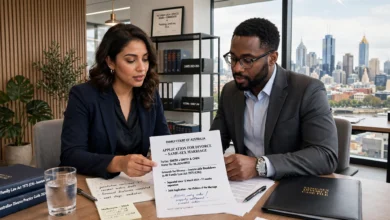
Adoption Laws in Georgia: A Complete Step-by-Step Guide for 2026
Adoption laws in Georgia explained simply. Learn eligibility, costs, timelines, and every step to adopt a child in Georgia in 2026.

Adoption laws in Georgia can feel like a maze if you’re going through this for the first time. Between home studies, court paperwork, and waiting periods, it’s easy to get lost in the details and lose sight of the bigger picture: bringing a child into your family. Whether you’re a hopeful adoptive parent, a relative stepping in to raise a niece or nephew, a stepparent formalizing your role, or a birth parent weighing your options, understanding Georgia adoption laws before you start will save you time, money, and a lot of frustration.
Georgia’s adoption process is governed primarily by O.C.G.A. Title 19, Chapter 8, and it’s been updated several times over the past few years to make things faster and less bureaucratic than they used to be. The state cut the old six-month residency rule, shortened the birth parent revocation period, and streamlined relative and stepparent adoptions considerably. Still, the process involves real legal steps: eligibility screening, a home study, background checks, consent (or termination) of parental rights, and a final court hearing.
This guide walks through everything you need to know about adoption laws in Georgia for 2026, from who qualifies to adopt, to the different types of adoption available, to what the process actually looks like from application to finalization. We’ll also cover costs, timelines, and the legal role birth parents play, so you can move forward with a clear plan instead of guesswork.
What Are Adoption Laws in Georgia? A Quick Overview
Adoption laws in Georgia exist to protect three groups at once: the child, the birth parents, and the adoptive family. The state’s guiding principle, spelled out throughout the Georgia Code, is that every decision has to serve the best interests of the child. That standard shapes almost every rule you’ll encounter, from who’s allowed to adopt to how long a birth parent has to change their mind.
The primary statute is O.C.G.A. § 19-8, which covers everything from eligibility requirements to consent, surrender of parental rights, and finalization procedures. The Georgia Division of Family and Children Services (DFCS) oversees foster care adoptions, while private domestic adoptions typically run through licensed private agencies or adoption attorneys. International adoptions add a federal layer, since they also have to comply with U.S. immigration law and, in many cases, the Hague Adoption Convention.
Here’s the short version: Georgia recognizes several distinct adoption paths (foster care, private domestic, stepparent, relative, adult, and international), and each one has its own eligibility rules, paperwork, and timeline. Knowing which category you fall into early on will save you a lot of backtracking later.
Who Can Adopt in Georgia? Eligibility Requirements
This is usually the first question people ask, and the honest answer is: it depends on which type of adoption you’re pursuing. Georgia doesn’t apply one uniform rule to everyone. Foster care adoption through DFCS has slightly different age requirements than private domestic adoption under the Georgia Code, so pay attention to which set of rules applies to your situation.
Age Requirements
Under O.C.G.A. § 19-8-3, which governs private domestic adoption, a prospective adoptive parent generally must:
- Be at least 25 years old, or be married and living with a spouse, and
- Be at least 10 years older than the child being adopted
DFCS, which handles foster care adoption, applies a slightly different threshold. Under DFCS guidelines, prospective parents must be at least 21 years old, or married and living with their spouse, and again generally at least 10 years older than the child.


Importantly, the 10-year age gap rule is waived for stepparents and relatives (grandparents, aunts, uncles, adult siblings) adopting a related child. That’s one of the biggest differences between relative adoption and adopting a child you have no prior connection to.
Residency Requirements
Georgia used to require six months of state residency before you could adopt. That requirement has been eliminated for most cases. Today, the general rule is that you need to be a bona fide resident of Georgia, or a resident of the state where the child will live after the adoption is finalized. This matters most for adoptions involving a child born in Georgia or living in Georgia at the time of placement.
Marital Status Rules
You do not have to be married to adopt in Georgia. Single individuals are eligible under Georgia adoption laws, as long as they meet the age and other requirements. If you are married, however, both spouses generally must join the adoption petition together, unless you’re adopting your spouse’s biological child through a stepparent adoption.
Financial, Physical, and Mental Fitness
Every prospective adoptive parent has to demonstrate they’re financially, physically, and mentally able to provide permanent care for a child. This doesn’t mean you need to be wealthy. Caseworkers and courts are typically looking for stability: steady income, safe housing, and the capacity to meet a child’s day-to-day and long-term needs. This is one of the core things a home study is designed to evaluate.
Background Checks
All prospective parents must pass criminal background checks and child abuse registry checks, and in foster and agency adoptions, so must every other adult living in the household. Certain convictions, particularly those involving violence, child abuse, or sexual offenses, will disqualify an applicant outright.
Types of Adoption in Georgia
Georgia adoption laws recognize several distinct paths, and the one you choose determines your paperwork, your timeline, and often your cost.
Private Domestic (Infant) Adoption
This is the path most people picture when they think of adoption: a birth mother voluntarily places her infant for adoption, usually through a licensed adoption agency or an adoption attorney. Prospective parents typically build a profile, work with an agency or attorney to be matched with an expectant parent, and cover legally permitted expenses (medical bills, counseling, sometimes living expenses) during the pregnancy. This route usually requires a full home study and generally moves faster than foster adoption once a match is made.
Foster Care Adoption
Children become available for adoption through Georgia’s foster care system when reunification with their birth family isn’t possible and a court has terminated parental rights. DFCS manages this process, and it’s often the most affordable route to adoption in Georgia, since agency and legal fees are frequently subsidized or waived for eligible children. Many foster-to-adopt families start as licensed foster parents and later adopt the child already in their home.
Stepparent Adoption
When you marry someone who has a child from a previous relationship, you can legally adopt your stepchild through a stepparent adoption. This is one of the more streamlined processes under Georgia adoption laws, since the child is already living in your household. You’ll still need consent from the non-custodial biological parent, or a court finding that their rights should be terminated (commonly due to abandonment or failure to support the child).
Relative (Kinship) Adoption
Grandparents, aunts, uncles, and adult siblings can adopt a related child under a simplified process compared to adopting an unrelated child. As mentioned above, the 10-year age gap requirement doesn’t apply here, and courts generally favor keeping children within their extended biological family whenever it’s safe and appropriate to do so.
International Adoption
Adopting a child from another country involves Georgia’s adoption laws alongside federal immigration law and, for many countries, the Hague Adoption Convention. Families typically work with a Hague-accredited agency, and the process includes both an international component (matching, foreign court proceedings) and a domestic one (readoption or recognition of the foreign adoption decree in a Georgia court).
Adult Adoption
Georgia also permits the adoption of adults, most often used to formalize a long-standing parent-child relationship, secure inheritance rights, or complete a stepparent adoption that wasn’t finalized during childhood. Adult adoption requires the written consent of the adult being adopted rather than a home study or termination of parental rights.
Step-by-Step Adoption Process in Georgia (2026)
Regardless of which type of adoption applies to you, the general process under Georgia adoption laws follows a similar sequence. Here’s how it typically unfolds.
- Determine your adoption path. Decide whether you’re pursuing foster care, private domestic, stepparent, relative, or international adoption, since each has different starting points and requirements.
- Choose an agency or attorney. For private and international adoption, you’ll work with a licensed adoption agency or a family law attorney. For foster care adoption, you’ll work directly with DFCS or a DFCS-contracted private agency.
- Complete an application and orientation. Most agencies and DFCS require an initial application, along with an orientation session explaining the process, timelines, and costs involved.
- Undergo pre-service training. DFCS requires prospective foster and adoptive parents to complete the National Training and Development Curriculum (IMPACT), a series of classes covering trauma-informed parenting, child development, and the realities of fostering and adopting.
- Complete the home study. A licensed social worker will interview household members, review your finances and health, inspect your home for safety, and check references. This is one of the most important steps in the entire process, since courts rely heavily on the home study report when approving an adoption.
- Get matched or placed with a child. In private domestic adoption, this happens when an expectant parent selects your profile. In foster care adoption, DFCS matches you with a waiting child based on your approved profile and the child’s needs.
- Obtain consent or termination of parental rights. Birth parents must either voluntarily surrender their parental rights or have those rights terminated by a court. If the child is 14 years old or older, Georgia law also requires the child’s own consent to the adoption.
- Post-placement supervision. After the child moves into your home, a caseworker will conduct follow-up visits, generally over a period of several months, to confirm the placement is going well before the adoption is finalized.
- File the adoption petition. Your attorney files a formal petition with the Superior Court in the relevant Georgia county, along with the home study, background checks, and consent or termination documents.
- Attend the finalization hearing. A judge reviews the full case file and, if everything checks out, issues a final decree of adoption. This hearing is often a genuinely joyful moment for families, since it legally and permanently establishes your parent-child relationship.
- Update legal documents. After finalization, you’ll need to obtain an amended birth certificate for the child through Georgia’s Office of Vital Records, listing you as the legal parent.
Birth Parent Rights and Consent Laws in Georgia
Georgia adoption laws put real weight on protecting birth parents’ rights during the process, and understanding these rules matters whether you’re the one placing a child or the one hoping to adopt.
Surrender of Parental Rights
A birth parent can voluntarily give up their parental rights by signing a surrender of parental rights document. This has to be done in writing, and Georgia requires that it be witnessed and, in most cases, notarized. Once properly signed, the surrender terminates the birth parent’s legal rights to the child, subject to the revocation period below.
The Revocation Period
Georgia gives birth parents four calendar days after signing a surrender document to change their mind and revoke it. Once that four-day window closes, the surrender becomes irrevocable, and the birth parent can no longer contest the adoption except in cases involving fraud or duress. This is notably shorter than many other states, which is part of why Georgia’s private adoption process can move relatively quickly once both sides are ready to proceed.
The Putative Father Registry
Georgia maintains a Putative Father Registry, a state database where men who believe they may have fathered a child outside of marriage can register to preserve their right to notice of an adoption proceeding. If a potential biological father doesn’t register within the timeframe required by law, he generally forfeits his right to object to the adoption later. This registry exists specifically to prevent adoptions from being derailed months or years later by an unregistered biological father coming forward.
When Parental Rights Are Involuntarily Terminated
If a birth parent doesn’t consent, a Georgia court can still terminate their parental rights involuntarily in cases involving abandonment, failure to support or communicate with the child for a year or more, unfitness, or a documented history of abuse or neglect. This most often comes up in foster care adoptions, where reunification efforts have already failed.
The Home Study Process Explained
The home study is one of the most misunderstood parts of Georgia adoption laws, and often the part people feel most anxious about. In reality, it’s an educational and evaluative process rather than an inspection designed to trip you up.
A licensed social worker will typically:
- Visit your home one to three times to assess safety and living conditions
- Interview each adult in the household, both individually and together
- Review your financial stability, health history, and any past involvement with child protective services
- Check references from friends, family, or employers
- Review your motivations for adopting and your parenting philosophy
Home studies generally take 60 to 90 days to complete, though this can vary by agency and county caseload. Not every adoption requires a full home study; some stepparent adoptions, for example, may qualify for a simplified process. Your attorney or agency can tell you which category applies to your case.
Interstate Adoption and the ICPC
If you’re adopting a child from another state, or placing a Georgia child with a family living out of state, your case falls under the Interstate Compact on the Placement of Children (ICPC). This is a legal agreement between all 50 states designed to make sure a child isn’t moved across state lines for adoption until both the sending and receiving states have reviewed and approved the placement.
ICPC approval typically adds several weeks to the timeline, since it requires paperwork review and sign-off from compact administrators in both states. It’s a common source of delay in private domestic adoptions where the birth parent and adoptive family live in different states, so budgeting extra time for this step is a smart move.
Costs of Adoption in Georgia
Adoption costs vary enormously depending on which path you take.
- Foster care adoption: Often minimal cost, sometimes free, since Georgia and the federal government subsidize many of the fees. Some costs may still apply for legal filing fees.
- Private domestic adoption: Typically ranges from $20,000 to $45,000, covering agency fees, legal fees, home study costs, and, in many cases, birth mother expenses like medical care and counseling.
- International adoption: Often the most expensive path, frequently running $30,000 to $60,000 or more once you factor in travel, foreign legal fees, and immigration processing.
- Stepparent and relative adoption: Usually the least expensive private option, often in the $1,500 to $5,000 range, since there’s typically no agency matching fee involved.
The federal adoption tax credit can offset a significant portion of qualified adoption expenses for eligible families. It’s worth checking current-year figures and eligibility rules directly with the Internal Revenue Service before filing, since the credit amount and income phase-outs are adjusted periodically.
Adoption Subsidies and Financial Assistance
Families adopting children with special needs through Georgia’s foster care system may qualify for adoption assistance (subsidy), which can include a monthly cash payment, Medicaid coverage, and reimbursement for certain nonrecurring adoption expenses like legal and home study fees. Eligibility is generally tied to the child being classified as having special needs under Georgia’s definition, which can include older age, being part of a sibling group, a medical condition, or an emotional or behavioral diagnosis. DFCS caseworkers determine subsidy eligibility on a case-by-case basis before finalization, so this is a conversation worth having early in the process.
How Long Does Adoption Take in Georgia?
Timelines vary significantly based on adoption type:
- Stepparent or relative adoption (with cooperative birth parent): as fast as 45 to 90 days
- Private domestic infant adoption: typically 6 months to 1 year, depending on how quickly a match happens
- Foster care adoption: often 1 to 2 years, factoring in the time a child spends in care before parental rights are terminated
- International adoption: commonly 1 to 3 years, depending on the country and its specific requirements
If both birth parents cooperate and consent without contest, Georgia law allows some private adoptions to be completed in as little as 45 days, though most realistically take longer once you factor in home study scheduling, court dockets, and post-placement supervision.
Do You Need an Adoption Attorney in Georgia?
Technically, Georgia doesn’t require you to hire an attorney to complete an adoption, but in practice, almost every family does, and for good reason. Georgia adoption laws involve strict procedural requirements: petitions have to be filed correctly, consent documents have to meet specific legal standards, and deadlines like the four-day revocation window leave no room for error. A single mistake in paperwork can delay finalization by months or, in rare cases, jeopardize the adoption entirely.
An experienced family law or adoption attorney can help you:
- Confirm which adoption laws apply to your specific situation
- Draft and file consent, surrender, and petition documents correctly
- Represent you at the finalization hearing
- Navigate interstate (ICPC) requirements if applicable
- Handle disputes over parental rights, should they arise
For official guidance and current forms, Georgia families can also consult resources directly from the Georgia Division of Family and Children Services, which oversees foster care adoption statewide.
Common Mistakes to Avoid
- Skipping legal counsel to save money. A botched petition or consent form can cost far more in delays and legal fees down the road than hiring an attorney upfront.
- Assuming all adoption types follow the same rules. Foster, private, stepparent, and international adoption each have different eligibility thresholds and paperwork.
- Underestimating the home study timeline. Waiting until the last minute to schedule your home study is one of the most common causes of delay.
- Not registering with the Putative Father Registry when applicable. Failing to address a potential biological father’s rights early can cause serious complications later in the process.
- Ignoring post-placement requirements. Skipping or missing scheduled caseworker visits can push back your finalization date.
Frequently Asked Questions
Do you have to be married to adopt in Georgia? No. Single adults can adopt under Georgia adoption laws, provided they meet the age, financial, and background check requirements.
Can you adopt in Georgia if you’re LGBTQ+? Yes. Georgia does not disqualify prospective parents based on sexual orientation. Eligibility is based on the same age, residency, and fitness standards that apply to any adoptive parent.
How old do you have to be to adopt a child in Georgia? At least 25 (or married and living with a spouse) for private domestic adoption, or at least 21 for foster care adoption through DFCS. These minimums don’t apply to stepparent or relative adoptions in the same way.
Can a birth parent change their mind after signing a surrender? Yes, but only within four calendar days of signing. After that window closes, the surrender becomes irrevocable except in cases of fraud or duress.
Does Georgia allow open adoption? Yes. Open adoption arrangements, where birth parents and adoptive families agree to ongoing contact or updates, are common in private domestic adoptions, though they aren’t legally enforceable contracts in the same way they are in some other states.
How much does adoption cost in Georgia? It depends heavily on the type: foster care adoption is often low-cost or free, while private domestic and international adoption can range from roughly $20,000 to $60,000.
Conclusion
Adoption laws in Georgia are built around one central idea: protecting the best interests of the child while giving birth parents and adoptive families a fair, clearly defined legal path forward. Whether you’re pursuing foster care adoption, private domestic adoption, a stepparent adoption, or bringing a relative’s child into your home, the process follows a predictable sequence of eligibility screening, a home study, consent or termination of parental rights, post-placement supervision, and a final court hearing.
Costs and timelines vary widely depending on the path you choose, but with the right agency, a knowledgeable attorney, and a clear understanding of what Georgia law requires at each stage, most families are able to move through the process with far less stress than they expected. If you’re just starting out, the best first step is simple: figure out which type of adoption fits your situation, then reach out to DFCS or a licensed adoption attorney to confirm exactly what’s required in your case.